
There was a time when self-improvement meant overhaul. New routine. New diet. New mindset. A complete reset. But lately, that approach feels… outdated. From small home upgrades in 2026 to smarter routines and emerging colour trends, men are finding new ways to improve everyday life without starting over.
Instead of chasing reinvention, men are shifting toward something more controlled, more sustainable, and arguably more effective: refinement. Small, intentional upgrades across daily life that compound over time—without the burnout.
Call it the anti-reset era.
ADVERTISEMENT |
And if platforms like Pinterest are any indication of how people actually behave—not just what they say—this shift is already well underway.
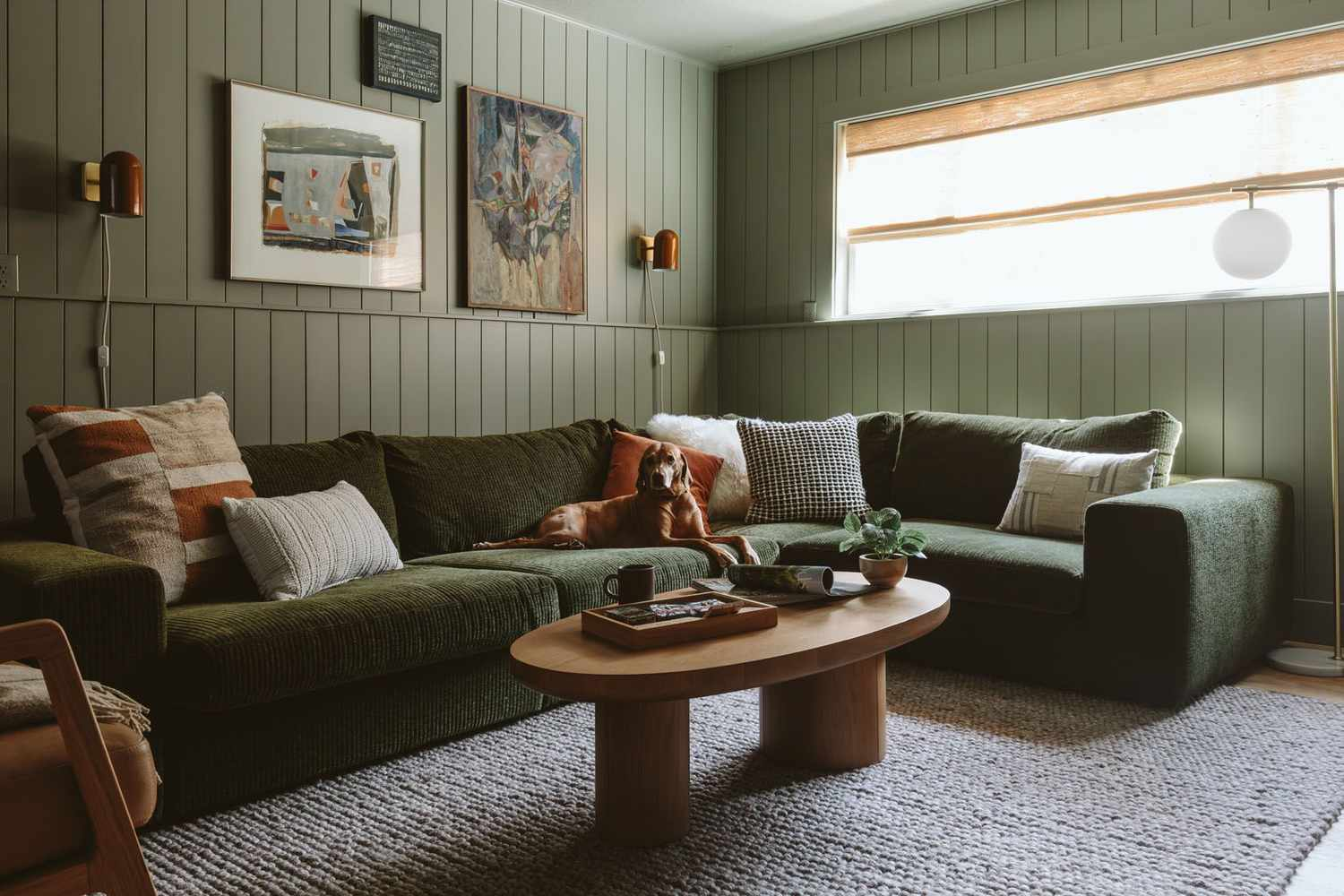
The anti-reset era: less chaos, more control
The pressure to constantly evolve into a “better version” of yourself is giving way to something quieter.
“People are moving away from the pressure to reinvent themselves and focusing on how they want to feel day to day,” says Sydney Stanback, Global Head of Trends and Insights at Pinterest.
ADVERTISEMENT |
That mindset shows up in how people plan their lives. Not by scrapping everything and starting over—but by building on what already works.
For the modern man, that translates into control. Refining systems. Tweaking routines. Adjusting environments. Not dramatic change—just better execution.
Micro-upgrades, maximum impact: Small home upgrades that make a big difference in 2026
The real shift? Scale.
ADVERTISEMENT |
From lighting swaps to layout tweaks, small home upgrades in 2026 are all about low effort, high impact.
Instead of chasing big, disruptive changes, men are leaning into low-lift, high-return upgrades:
- Reworking a workspace instead of moving apartments
- Upgrading lighting instead of redesigning a room
- Dialing in a routine instead of reinventing it
- Hosting at home instead of going out
These are the kinds of changes that actually stick.
ADVERTISEMENT |
Because they’re realistic.
And more importantly—they’re repeatable.
The modern man isn’t just designing his space—he’s engineering his state of mind.
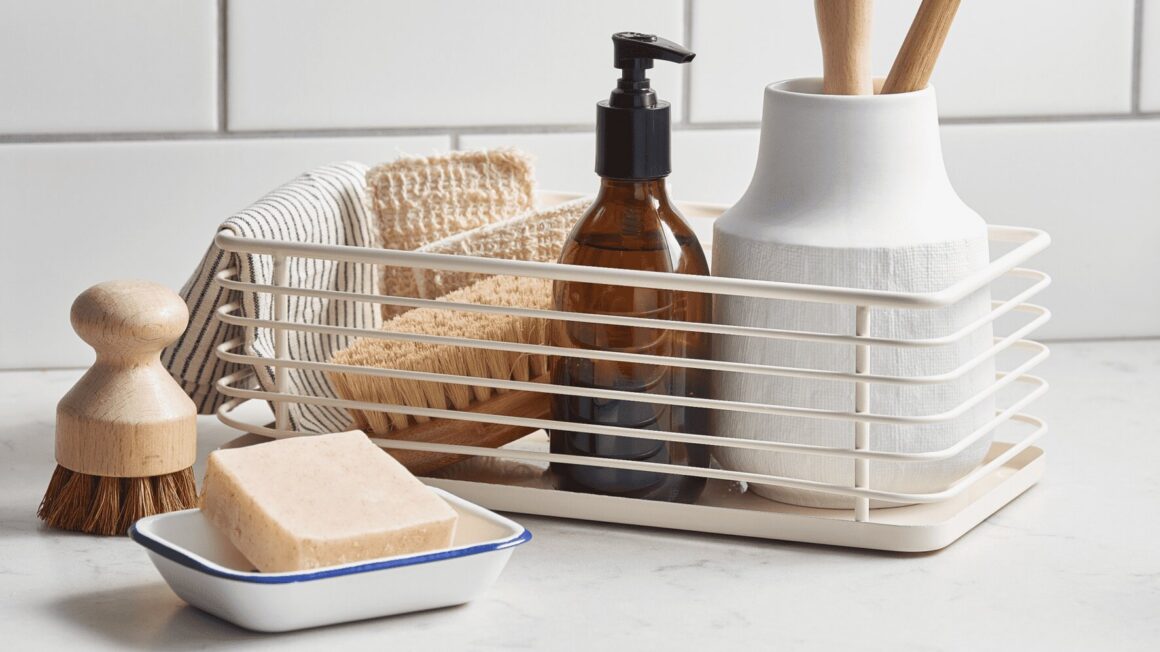
The weekly home reset routine more men are adopting in 2026
One of the most underrated upgrades right now isn’t aesthetic—it’s behavioural.
ADVERTISEMENT |
The rise of weekly home resets.
Not a full deep clean. Not a full life audit. Just a consistent, low-effort system to recalibrate your space and mindset.
A weekly home reset routine is becoming one of the simplest ways to stay organized, reduce stress, and improve your space without a full overhaul.
Think:
- Resetting your kitchen and fridge
- Refreshing your sheets and towels
- Clearing surfaces and decluttering
- Prepping meals or essentials for the week
It’s less about perfection—and more about momentum.
ADVERTISEMENT |
Small lift. Big impact.
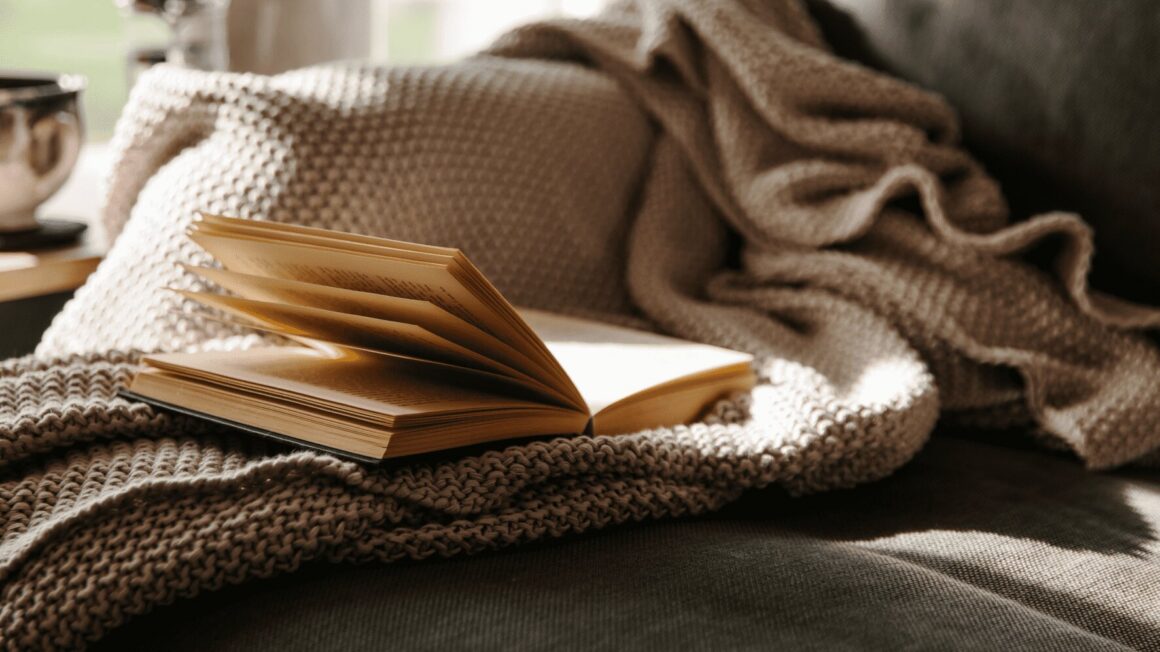
Comfort is the new status symbol
For years, status was about what you could show.
Now, it’s about how you feel.
ADVERTISEMENT |
“People are choosing comfort over status and personal vibes over passing fads,” says Stanback.
And that’s changing everything—from how men design their spaces to how they spend their time.
Hosting at home is replacing nights out.
Layered, lived-in interiors are replacing sterile minimalism.
Comfort food is replacing restrictive diets.
ADVERTISEMENT |
It’s a quieter kind of flex. But a more meaningful one.
Designing a life that actually works
This shift isn’t just aesthetic—it’s functional.
The modern man isn’t designing a life that looks good on Instagram.
ADVERTISEMENT |
He’s designing one that works on a Tuesday.
That means:
- Spaces that support focus and recovery
- Routines that are sustainable, not extreme
- Habits that reduce friction, not add pressure
Function over flex.
ADVERTISEMENT |
Every time.
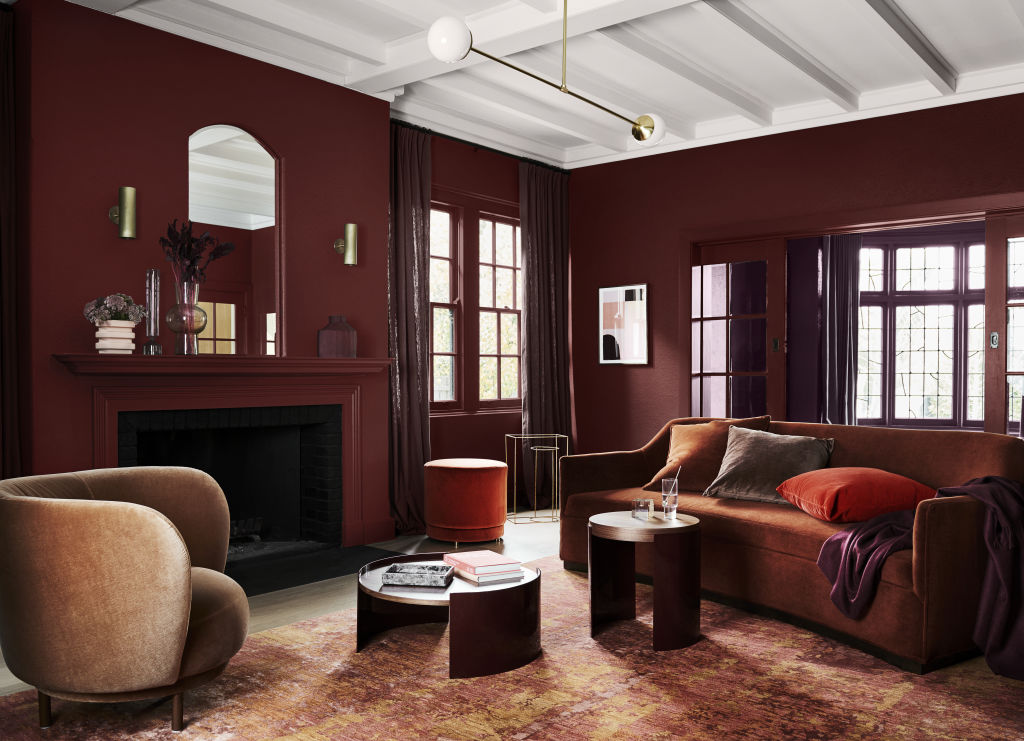
Colour trends 2026: how men are using colour to shape their space and mood
The biggest colour trends of 2026 show a shift toward emotional, intentional design—where colour isn’t just aesthetic, it’s functional.
For years, the default was safe: neutral tones, minimal palettes, nothing too loud.
ADVERTISEMENT |
But that’s changing.
Pinterest’s 2026 Palette introduces five standout hues—Cool Blue, Jade, Plum Noir, Wasabi, and Persimmon—each tied to a specific emotional outcome.
This isn’t about trend-chasing. It’s about emotional utility.
ADVERTISEMENT |
- Cool Blue sharpens focus and brings clarity
- Jade creates calm, grounded energy
- Plum Noir adds depth, confidence, and edge
- Wasabi injects energy and unpredictability
- Persimmon brings warmth and optimism
In a world that feels increasingly chaotic, colour becomes a tool. A way to control your environment—and in turn, your mindset.
The industry is aligning: colour is no longer aesthetic—it’s emotional infrastructure
This shift toward intentional living isn’t happening in isolation. It’s being reinforced across design, fashion, and interiors at the highest level.
Look at the Colours of the Year for 2026, and a pattern emerges:
Benjamin Moore – “Silhouette”
A deep, tailored blend of espresso and charcoal that reflects refinement, structure, and quiet confidence.
A smoky jade green that balances calm with depth—grounded, but expressive.
Pantone – “Cloud Dancer”
A soft, airy white designed to bring clarity and calm in a chaotic world.
At first glance, they couldn’t be more different—dark, green, white.
But look closer, and they all point to the same thing:
Control how you feel:
• Depth (Silhouette)
• Grounding (Hidden Gem)
• Clarity (Cloud Dancer)
This isn’t about trends—it’s about emotional calibration
While Pinterest’s 2026 Palette leans bold—with hues like Wasabi and Persimmon pushing energy and expression—the broader industry is balancing that with grounding tones and quiet neutrals.
Together, they create a spectrum:
- Bold expression (Pinterest Palette)
- Grounded control (Behr / Benjamin Moore)
- Mental clarity (Pantone)
The modern man sits somewhere in between—and chooses based on how he wants to feel that day.
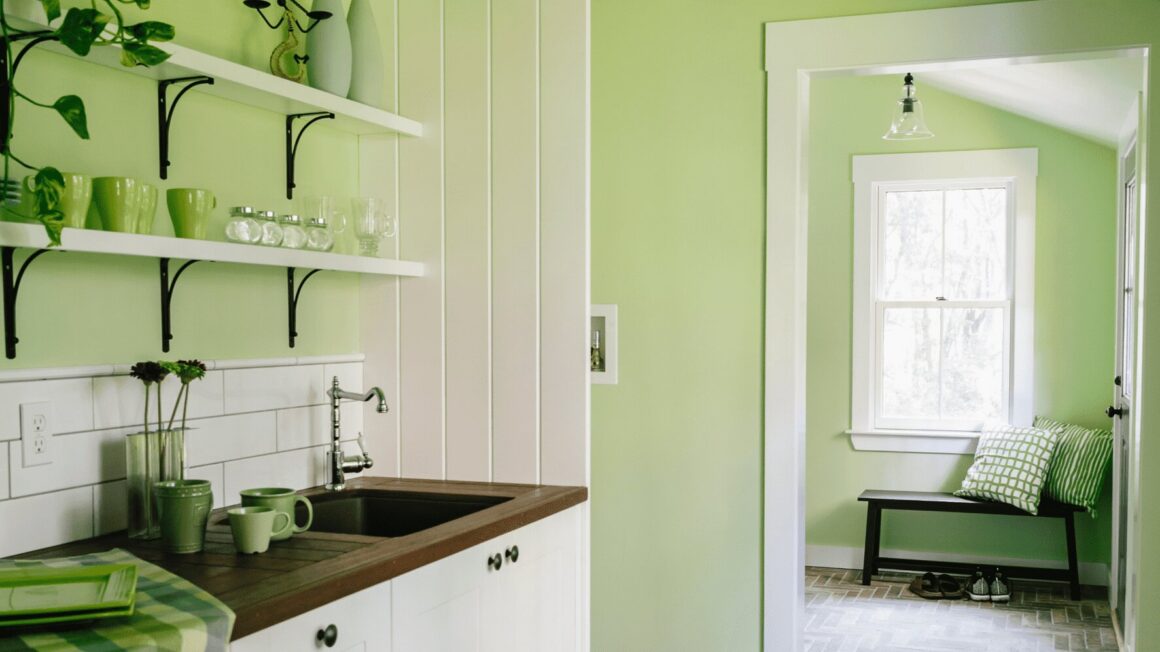
Colour drenching: the power move you’re not using (yet)
One of the most interesting applications of this shift is colour drenching—using a single tone across walls, furniture, and accents to fully immerse a space in a mood.
It’s bold. But it’s also strategic.
A Cool Blue workspace can sharpen focus.
A Jade-toned bedroom can promote calm.
A Plum Noir lounge adds depth and presence.
It’s not about being loud—it’s about being intentional.
And it’s one of the simplest ways to transform a space without a full renovation.
Colour drenching isn’t just a design move—it’s a psychological one
Using a tone like Silhouette can create depth and focus.
A space wrapped in Hidden Gem brings calm, grounded energy.
Even a Cloud Dancer-inspired room introduces breathing space—visually and mentally.
#GentsTips: How to upgrade your home without renovating in 2026?
- Start with lighting and colour
- Add one bold accent tone
- Reset your space weekly
- Focus on high-use areas first
- Keep changes small but consistent

The end of performative wellness
Even wellness is being redefined.
Extreme diets, rigid routines, all-or-nothing thinking—they’re losing ground to something more realistic.
Comfort cooking is up. Social dining is back.
People are choosing enjoyment over restriction.
Because sustainability beats intensity—every time.
A smarter way to level up
If there’s one takeaway from all of this, it’s this:
The modern upgrade isn’t about doing more.
It’s about doing better.
Better systems.
Better spaces.
Better habits.
Better energy.
And sometimes, it’s as simple as resetting your space on a Sunday—or changing the tone of the room you wake up in.
No overhaul required.
In 2026, the smartest upgrades aren’t the biggest—they’re the small home upgrades and weekly habits that quietly improve how you live every day. What’s interesting is that across every platform—from Pinterest’s bold palettes to Pantone’s restraint and Behr’s grounded greens—the message is the same: people are no longer choosing colors based on what looks good, but based on how they want to feel. Check out, and follow our Pinterest for some regular inspiration.