

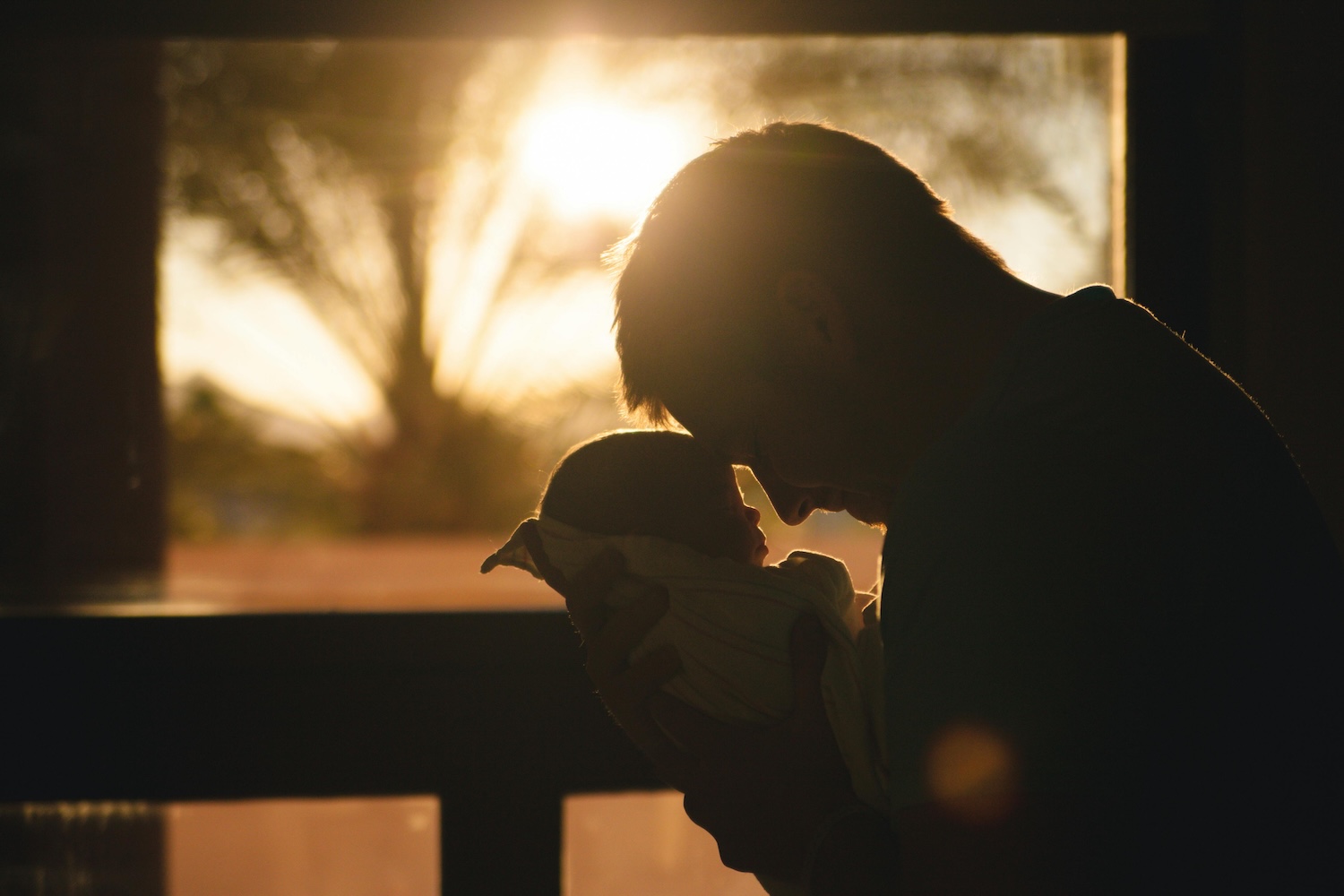
For generations, fatherhood was defined by provision. Show up. Work hard. Pay the bills. Everything else was optional. But modern fatherhood is undergoing a quiet shift. Today’s dads are doing something far more demanding— to be emotionally present, self-aware, and actively involved in the day-to-day shaping of their children’s lives. And here’s the truth many men don’t hear enough: being a great dad isn’t instinctual. It’s learned.
See also: Why Dry January isn’t just a fad — it’s becoming a meaningful reset for millions
Presence matters more than perfection
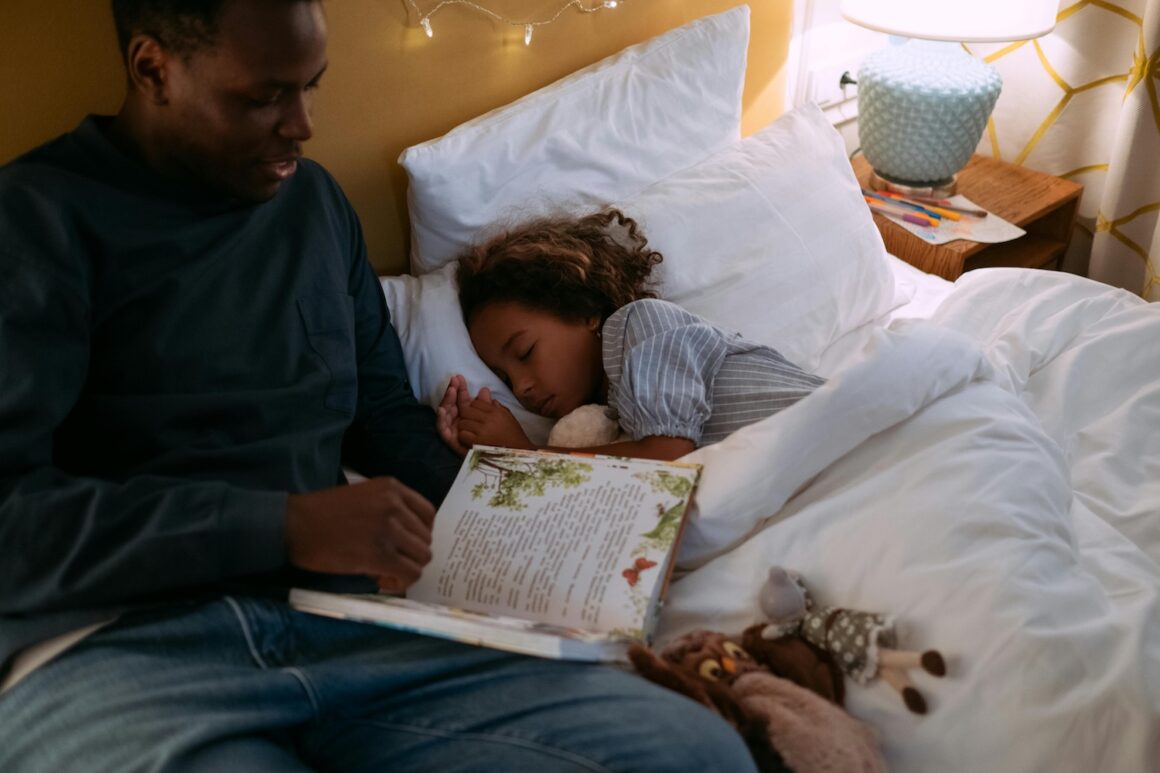
Children don’t need flawless fathers. They need present ones. Being physically there is only the first step. Presence means putting the phone down, listening without rushing to fix, and showing up consistently — even when you’re tired, distracted, or unsure. Small moments compound. Reading the same book again. Sitting on the floor. Asking questions and actually waiting for the answer. These moments build trust far more effectively than grand gestures ever could.
ADVERTISEMENT |

Emotional regulation is leadership at home
One of the most important roles a father plays is modelling emotional behaviour. Kids learn how to handle frustration, anger, joy, and disappointment by watching the adults around them. When fathers learn to pause instead of explode, to name emotions instead of suppress them, they teach emotional intelligence without a single lecture. This doesn’t mean being emotionless. It means being responsible with emotion — showing that feelings are normal, but reactions are a choice.
Partnership sets the tone
Being a better dad also means being a better partner. Children absorb relationship dynamics long before they understand them. Respect, communication, and shared responsibility between parents shape how kids understand love, conflict, and cooperation. That includes domestic labour. When fathers participate fully — not “helping,” but owning tasks — they normalize equality and teamwork.
Teach through action, not advice
Fathers often feel pressure to impart wisdom through words. But kids remember actions far more clearly. They notice how you treat strangers. How you speak about yourself. How you respond to failure. How you take care of your body and mind. Showing curiosity, accountability, and humility teaches more than any speech ever could.
ADVERTISEMENT |
Do the inner work
The most overlooked aspect of fatherhood is self-work. Unexamined habits, unresolved trauma, and inherited expectations have a way of resurfacing under stress. Becoming a better dad often requires looking backward — understanding how you were parented and consciously choosing what to keep and what to change. Therapy, reflection, and honest conversations aren’t signs of weakness. They’re tools for breaking cycles.
Fatherhood is a practice
Great dads aren’t born. They’re built — day by day, mistake by mistake. Fatherhood isn’t about control or authority. It’s about guidance, safety, and love that adapts as children grow. The bar isn’t perfection. The bar is intention. And every day, men get to choose how they show up.
Feature image by Josh Willink