
For decades, Las Vegas was easy to define. It was the Strip, the tables, the shows, the escape. You came to indulge, disconnect, and disappear for a few days. Sports existed on the margins, something you watched on screens rather than experienced live. That reputation wasn’t wrong — but it also wasn’t complete and certainly doesn’t capture the ambitious plans to turn Las Vegas into the biggest sports destination on the planet.
See also: In conversation with Macaulay Culkin: Inside his mysterious role in Fallout season two
The origin of Las Vegas becoming a sports hub
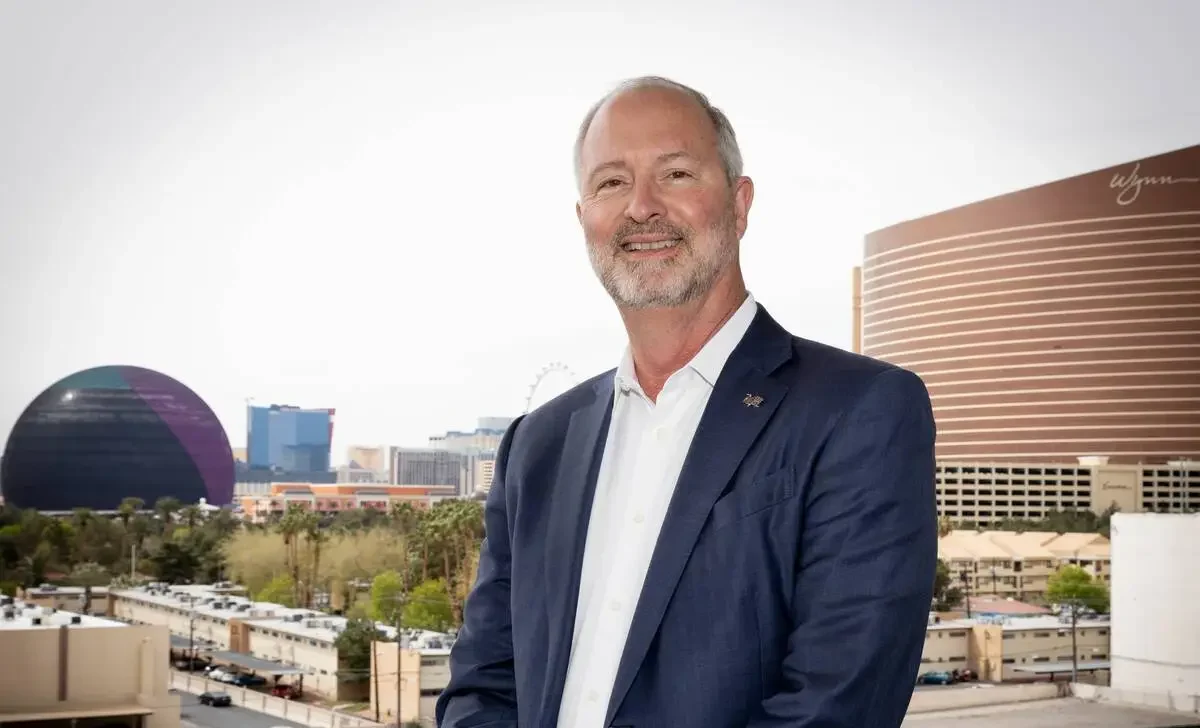
In a conversation with Steve Hill, CEO of the Las Vegas Convention and Visitors Authority, he made sure to note that the transformation of Las Vegas into a global sports capital didn’t happen overnight, nor did it start with flashy announcements or league expansions. It started with growth, patience, and a willingness to rethink what the city could be.
ADVERTISEMENT |
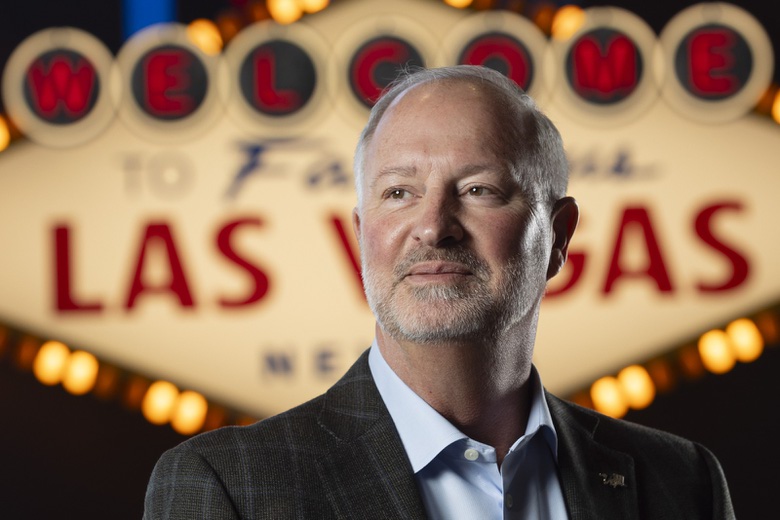
Hill moved to Las Vegas nearly four decades ago, when the city’s population was comparable to Dayton, Ohio. In that time, Las Vegas has more than quadrupled in size. Back then, gambling was the main draw, entertainment had lost its edge after the Rat Pack era, and major development had stalled as investment shifted to Atlantic City. That all changed in 1989 with the opening of The Mirage.
Why integrated resorts changed everything
The Mirage introduced a new idea: a resort where gambling was just one part of a larger experience. Fine dining, retail, headline entertainment, and attractions that didn’t involve a casino floor began to redefine the Strip. It set Las Vegas on a path toward being a place that offered options.
Sports, interestingly, had always been part of the city’s DNA. Las Vegas was a boxing capital long before modern arenas existed. Legendary fights featuring Muhammad Ali, Sugar Ray Leonard, and Sonny Liston were staged in parking lots, convention halls, and temporary outdoor venues. NASCAR events, combat sports, and later UFC — which made Las Vegas its home — continued that legacy. What the city lacked wasn’t sports culture. It just needed permanence.
ADVERTISEMENT |
The gamble that worked
That changed when Bill Foley decided to bring the Vegas Golden Knights to town. Hockey in the desert sounded like a punchline, and skepticism was widespread. Even Hill admits he wasn’t sure how it would be received. Then came an inaugural season that shattered expectations and ignited a citywide connection to a team that felt instantly authentic.
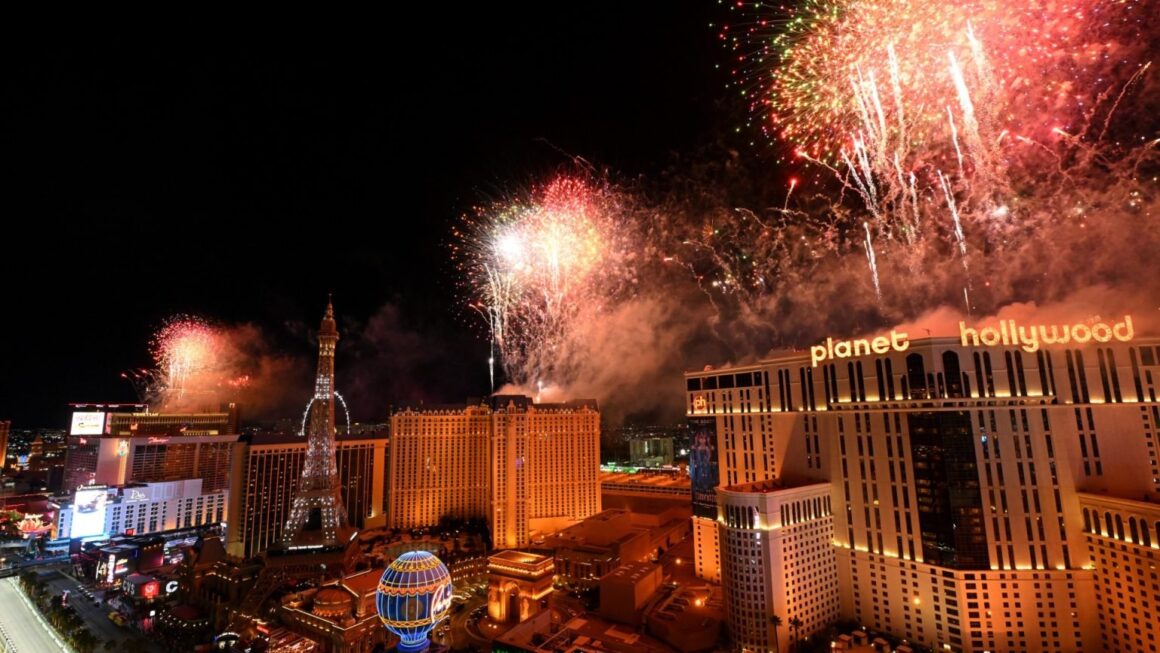
Before the Knights even took the ice, another domino fell. Mark Davis committed to relocating the Raiders to Las Vegas, triggering the development of Allegiant Stadium. Hill considers The Mirage and Allegiant Stadium the two most transformative projects in modern Las Vegas history. One reshaped tourism. The other elevated the city’s global reputation by giving it a venue capable of hosting the world’s biggest events – and it did just that when it hosted the Super Bowl.
Formula 1 on the Strip
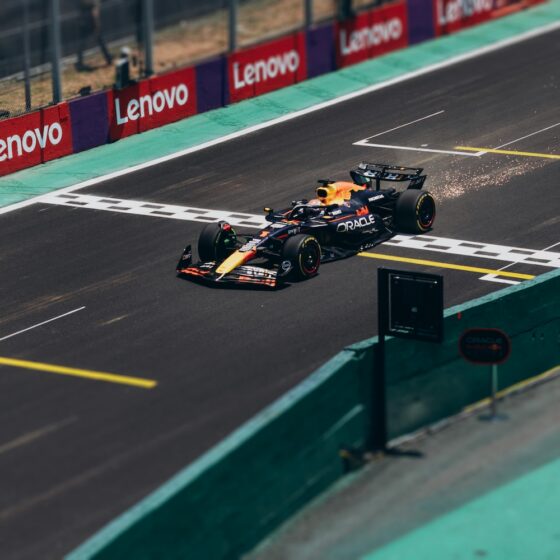
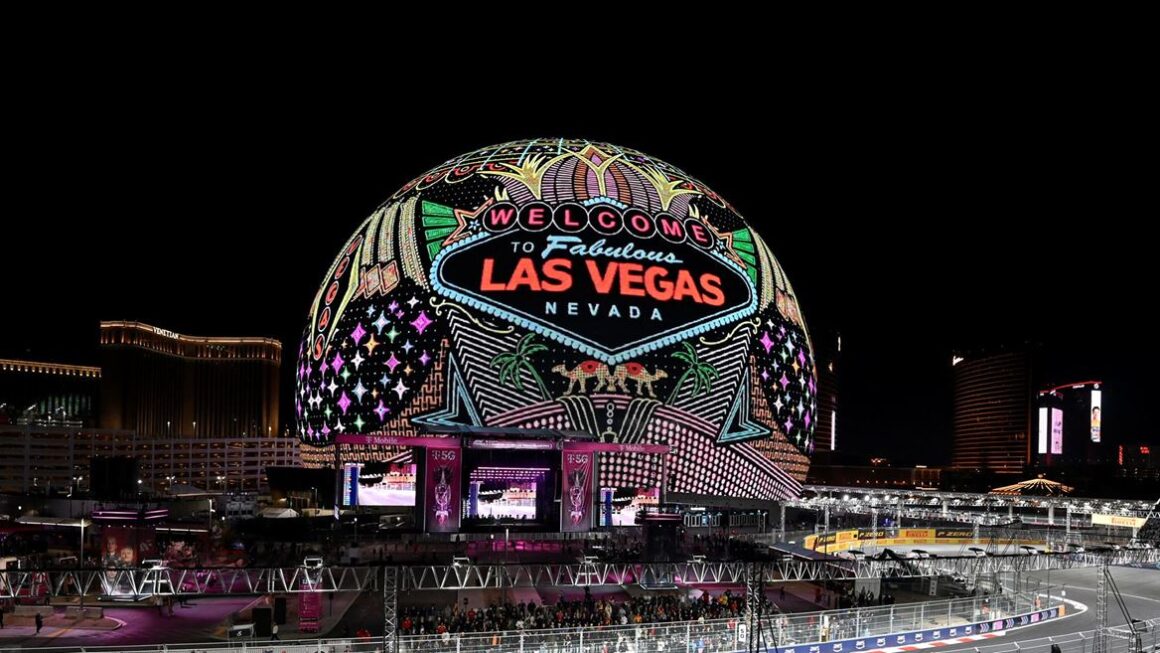
Formula 1 represents the most ambitious chapter yet. Few cities could realistically shut down their main boulevard and invite cars to race at 350 kilometres an hour through the heart of downtown. That distinction came with risk. The upfront investment reached well into the hundreds of millions, including land acquisition and a massive paddock complex. The first year tested the city’s patience, with months of construction, road closures, and logistical challenges that impacted daily life. Hill has been candid about it: repeating that first year over and over would not have been sustainable.
ADVERTISEMENT |
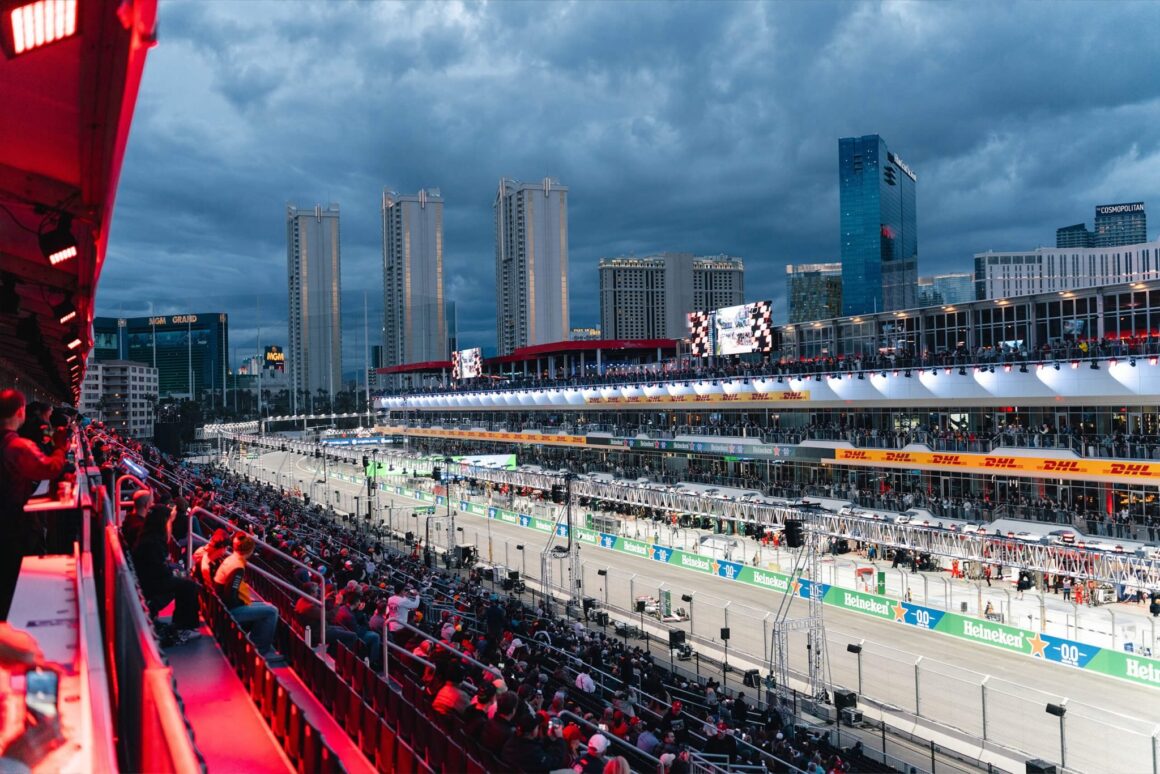
The inaugural race, which included first-year construction, generated approximately $1.5B in economic impact and the subsequent year brought in approximately $934M. As the race evolved, so did the approach. Routes became cleaner. Infrastructure improved. What once felt disruptive began to feel intentional. By year three, the race reached a “Goldilocks” moment — financially viable, logistically smoother, and culturally aligned with the city.
Why everything still has to run
One of the quiet challenges of hosting Formula 1 is scale. Las Vegas has roughly 150,000 hotel rooms, and Formula 1 fills about a third of them. The city can’t afford to pause everything else. Raiders games, Golden Knights matchups, UFC cards, residencies, and major shows all continue — and must continue — during race week.
That balance is essential according to Hill. Las Vegas doesn’t succeed by spotlighting one event. It succeeds by layering experiences so visitors can walk from a hotel to a game, from dinner to a race, and still find something entirely different afterward.
ADVERTISEMENT |
What comes next
The momentum isn’t slowing. Major League Baseball is coming, bringing 81 home games and another large-scale venue that complements the city’s existing infrastructure. Conversations around the NBA continue, and Hill sees it as a natural fit. The goal isn’t novelty. It’s density — creating a city where something major is always happening.
The message Hill wants visitors to understand is simple. Las Vegas is a category of one. You don’t just attend an event here. You wrap an entire experience around it. That combination — proximity, spectacle, and choice — is something no other city can replicate.