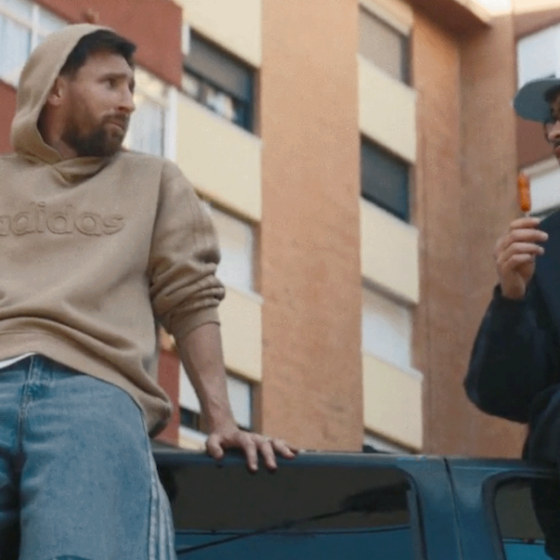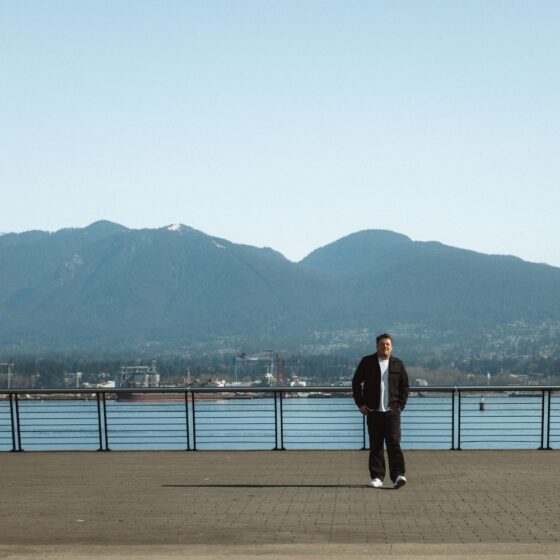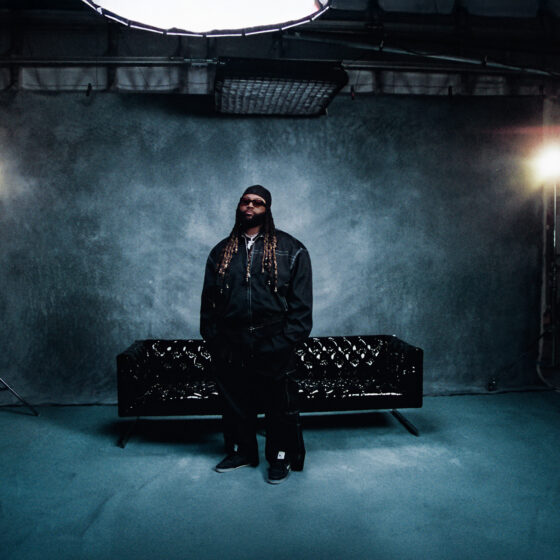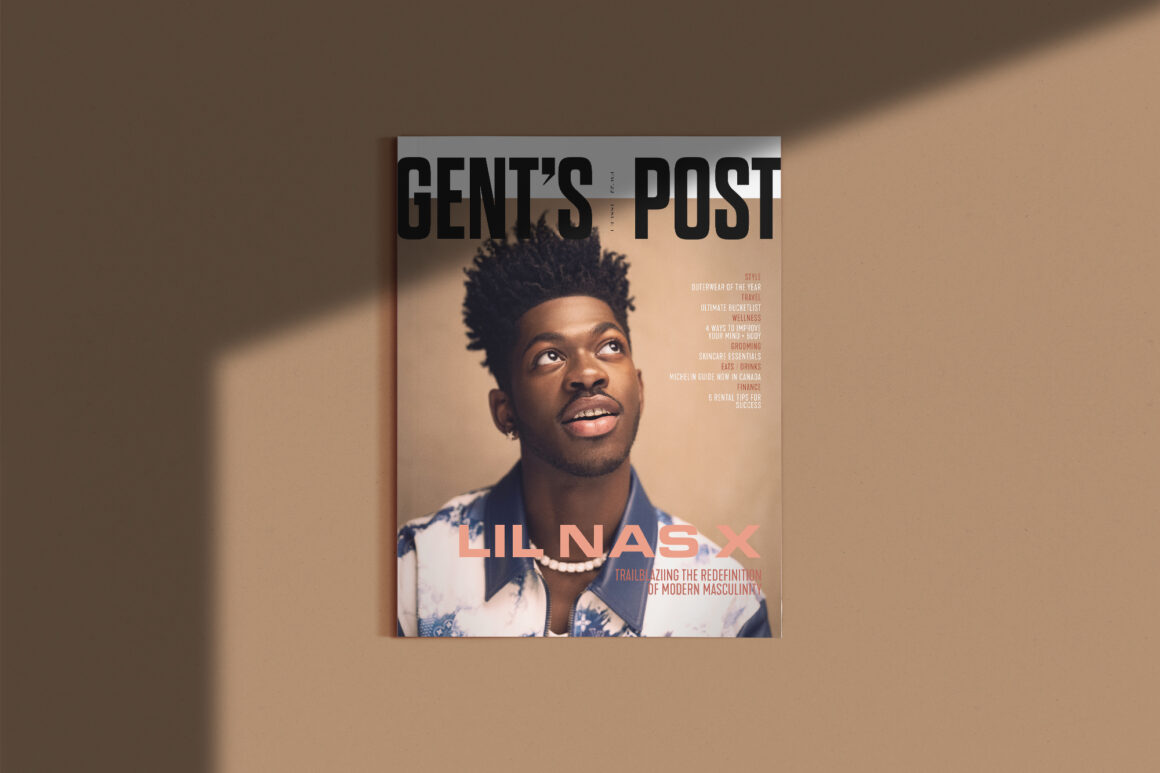


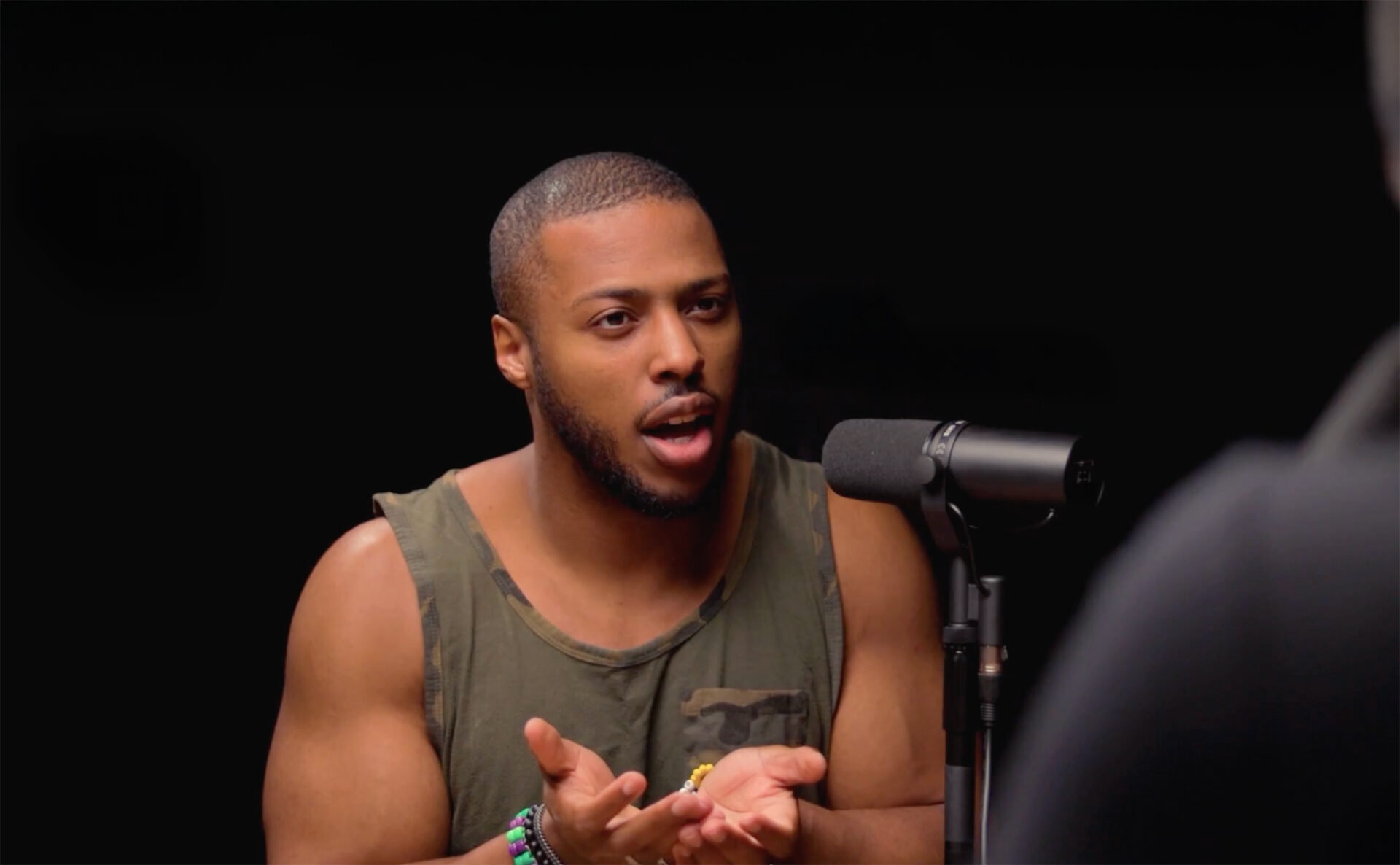
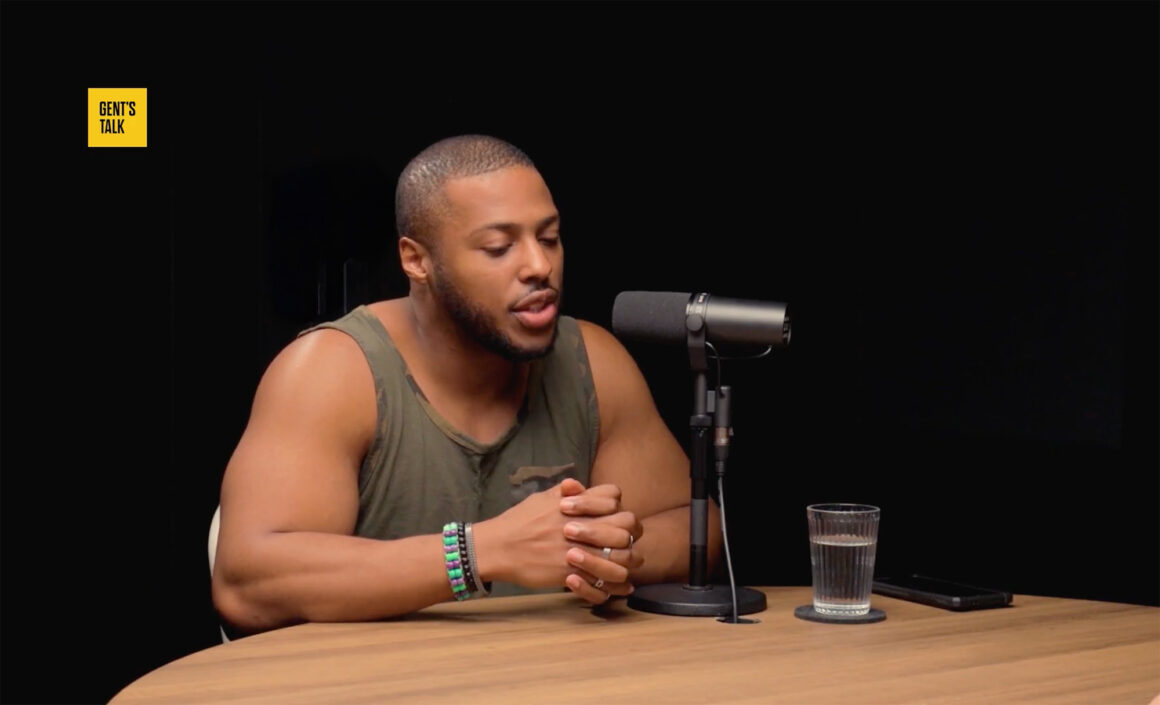
On the latest episode of Gent’s Talk, season 13 episode 186 supported by BULOVA, Samir sits sown with Unsighted aka @UnsightedPoet — the viral musician and content creator known for his high-energy, borderline-comedic street videos: dancing with strangers, sparking spontaneous singalongs, and turning everyday public spaces into a moment.
Editor's note: This episode/article includes discussion of mental health, emotional trauma, and suicide prevention. While the conversation is shared with care and intention, some topics may be difficult for certain readers or listeners.
But behind the loud charisma is a surprisingly grounded conversation about emotional survival, self-worth, and what it actually takes to build a life where you’re allowed to feel everything — not just the emotions that look “acceptable” from the outside.
On Gent’s Talk, we’ve been spotlighting raw, unfiltered conversations that challenge the way men are taught to show up in the world — and this episode is exactly that. Unsighted doesn’t just talk about mental health in a trendy way. He talks about it like someone who’s lived it, studied it, and is still working on it in real time.
ADVERTISEMENT |
“I’m actually like this”
One of the first things Unsighted clears up is the biggest misconception about him: that the energy is an act.
People assume no one can be that happy, that loud, that animated all the time — so it must be “content mode.” But he flips it: when he’s calm (and not tired), that’s often the version he’s intentionally putting on.
He explains that he’s always had big emotions — as a kid too — but he learned early that being “too much” came with consequences. The result is a personality that can swing between high-joy and high-intensity… and a long journey of learning how to hold both.
ADVERTISEMENT |
Softening himself to survive the room
Unsighted also speaks openly about something many people will recognize instantly: the way race and size can shape how you move through the world.
As a larger Black man, he describes learning to “show up softly” — smiling bigger, lowering his intensity, adjusting his tone — so he wouldn’t be read as a threat. He’s not saying he’s fake. He’s saying he became skilled at managing how others perceive him before they even give him a chance to speak.
Now, he frames it less as fear and more as awareness — but the point lands the same: sometimes, the “persona” isn’t for the internet. It’s for safety.
ADVERTISEMENT |
Anger isn’t the enemy — it’s the leak
A major theme in the episode is anger: where it comes from, what it covers up, and what happens when you never learn how to process emotion safely.
Unsighted breaks down how he grew up around versions of masculinity (and even femininity, in his words) where emotion was treated as weakness. No crying. No softness. And even happiness had to be muted — because too much joy could make you look “soft.”
Over time, he realized what many men experience: when sadness has nowhere to go, it often turns into rage.
ADVERTISEMENT |
“Feel it — just don’t dump it”
One of the most practical takeaways from the conversation is Unsighted’s explanation of safe anger.
He shares a lesson he learned in therapy: emotions aren’t inherently good or bad — what matters is how you act on them, when you release them, and who ends up catching the impact. If someone only did 5% of what you’re truly reacting to, they shouldn’t have to carry the other 95%.
His approach is simple, but mature: create spaces where you can release without harming people who don’t deserve it — gym, solitude, a walk, your car, a private moment to let it out — then come back and process what’s real.
The moment he decided: “i don’t want to be that person”
The most emotional moment in the episode comes when Unsighted describes a turning point: a minor argument with a partner that escalated into him pulling her in frustration, causing her to bump into a pole and break her sunglasses.
ADVERTISEMENT |
It’s not the sunglasses that haunt him. It’s the look and the response — the way she minimized it with “it’s okay,” mirroring how he learned to minimize pain as a kid. In that moment, he sees himself repeating what hurt him.
That’s when he decides to change — not in theory, but in behaviour.
“Do you feel unlovable?”
When the conversation turns to self-worth, Unsighted admits he used to feel unlovable for a long time — tied to anger, insecurity, and the fear that he couldn’t “package” himself into the kind of person someone would choose.
And when he began doing the work, he noticed something honest: insecurity doesn’t always disappear — sometimes it just shapeshifts into a new storyline.
He also speaks candidly about intimacy, safety, and what it means to finally relax — describing “being the little spoon” (literally and metaphorically) as a rare but powerful feeling: being cared for without performing, protected without proving.
ADVERTISEMENT |
“It’s worth it.”
The closing question is the one that ties the whole episode together: if he could go back and tell his younger self one thing he was never told, what would it be?
Unsighted’s answer: “It’s worth it.”
He explains it through a “hero” lens — not the kind of hero who wants the power, but the kind who gets handed something heavy and has to decide what to do with it. He shares that people regularly message him saying his content helped them choose to keep going on a hard day — and instead of being crushed by that responsibility, he feels purpose in it.
ADVERTISEMENT |
He doesn’t romanticize pain. He reframes survival as capacity — and turns that capacity into a space where other people can breathe.
Where to watch Gent’s Talk, season 13 episode 185 with Unsighted?
The Gent’s Talk podcast is powered by Gent’s Post, a STAMINA Group production, supported by BULOVA. The episode featuring Unsighted is available to stream across major podcast platforms and on video via YouTube, with audio on Spotify and Apple Podcasts. Subscribe and follow to stay tapped in with new episodes and conversations every week.
Your continued support means everything.
If you or someone you know is struggling or in distress, help is available. You are not alone, and support is within reach.
ADVERTISEMENT |
- Canada: Talk Suicide Canada — Call or text 988, available 24/7
- United States: Suicide & Crisis Lifeline — Call or text 988, available 24/7
- United Kingdom & ROI: Samaritans — 116 123
- Australia: Lifeline — 13 11 14
- Elsewhere: Find local resources at findahelpline.com
Seeking support is a sign of strength, not weakness.