
Forget bottle service — run clubs are the new nightlife, and marathons the new life goal.
Running culture is having a moment — and not just among elite athletes. Across cities around the world, run clubs have become the new social hubs, marathon lotteries are breaking records, and endurance sports are redefining what modern fitness looks like. From early-morning group runs in London and New York to packed race calendars across Europe and North America, running has evolved into one of the fastest-growing movements in global wellness culture.
See more: Run for your life (literally): How running boosts your body, brain and mood
ADVERTISEMENT |
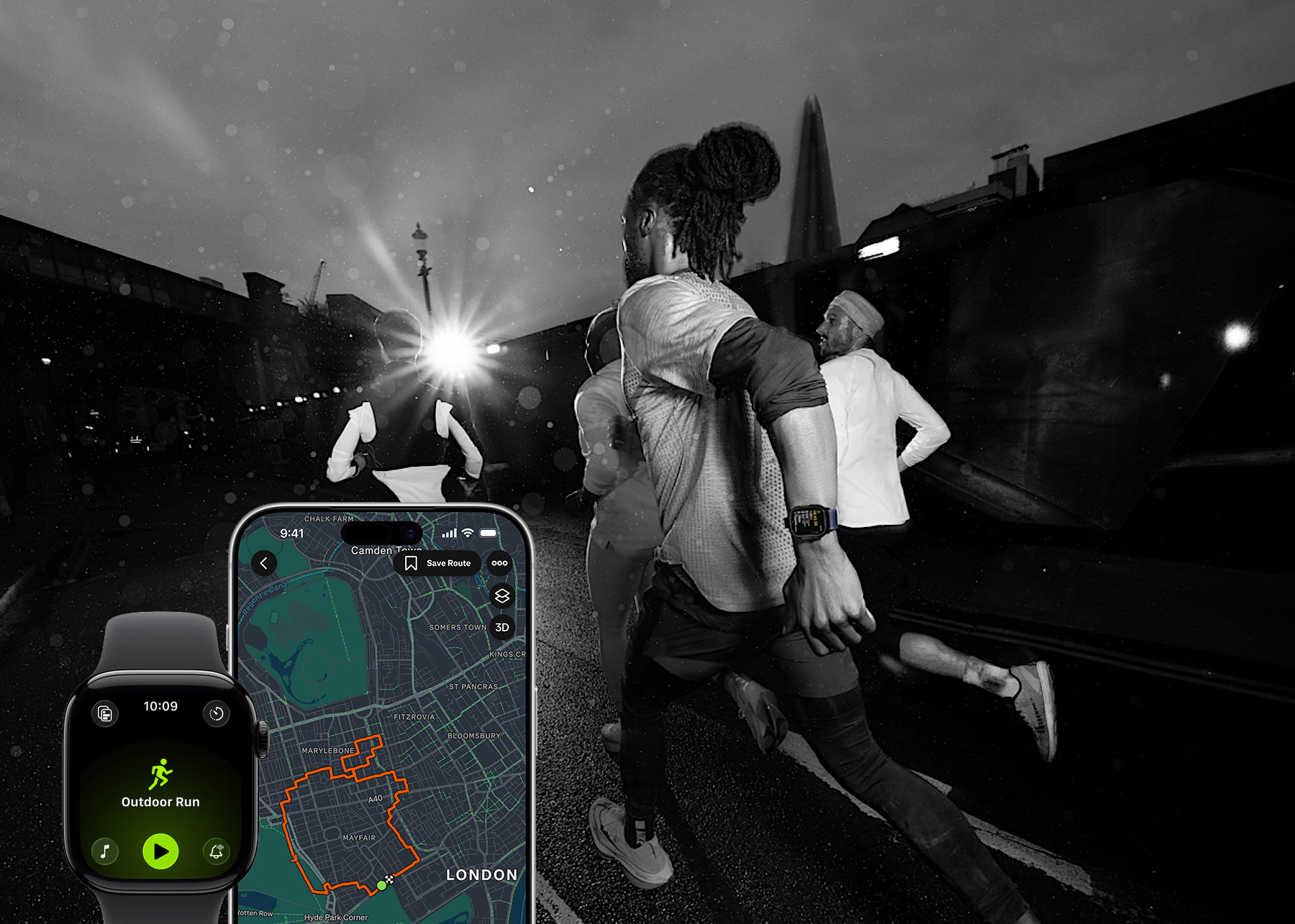
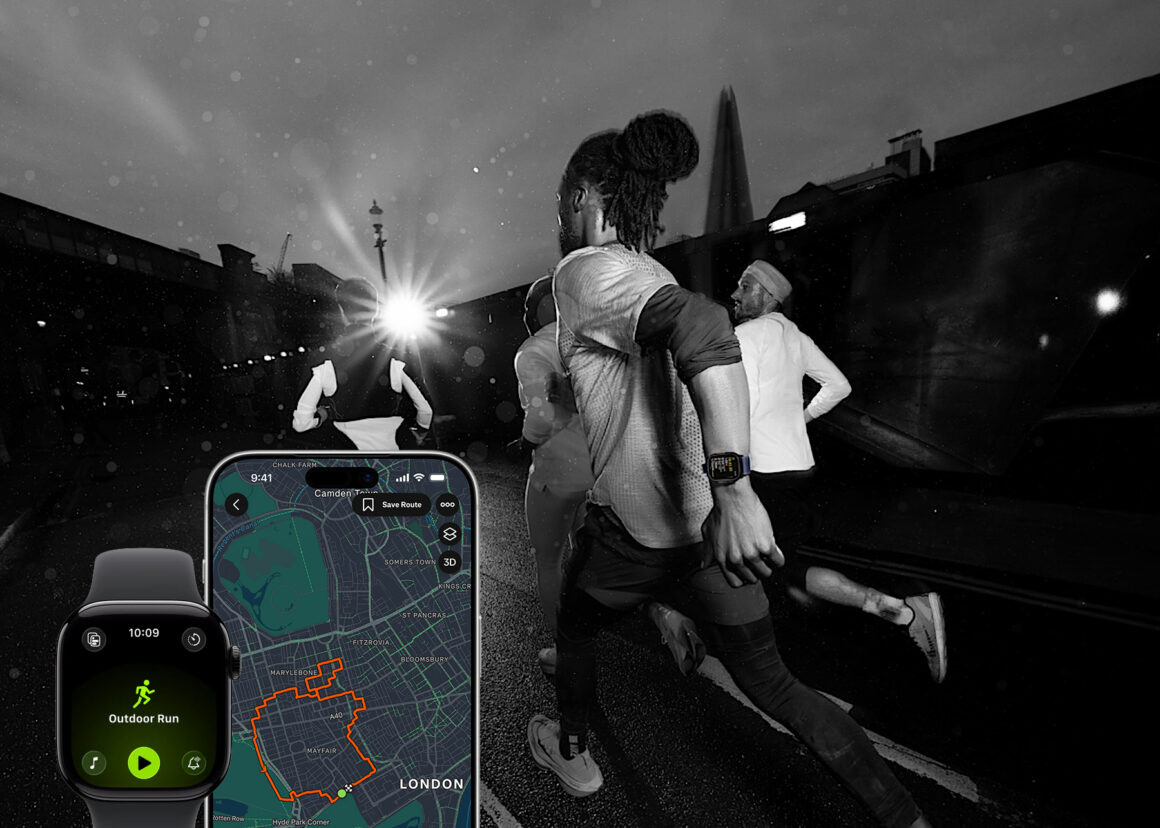
That momentum is exactly what makes the London Marathon such a powerful stage. On Monday, London Marathon Events announced that Apple will join the race as the Official Performance Technology Product Partner for the 2026 event, marking a major collaboration between one of the world’s most influential technology companies and one of its most iconic endurance races.
The partnership arrives as demand for the race continues to soar. More than 1.13-million people applied for the ballot for the 2026 London Marathon, making it the most popular marathon in the world. The race, scheduled for April 26, 2026, attracts elite runners, first-time marathoners, and charity participants alike — turning the streets of London into a global celebration of endurance sport.
“We are delighted to welcome Apple as an official partner of the TCS London Marathon,” said Hugh Brasher, CEO of London Marathon Events. “Inspiring activity across all ages and abilities is central to both of our missions, and this new partnership echoes our commitment to helping people lead healthier lives.”
ADVERTISEMENT |
For Apple, the collaboration reflects a broader focus on health and fitness technology — particularly the ways wearable devices are transforming how people train, track, and stay motivated in endurance sports.
“The London Marathon is one of the world’s greatest sporting events …”
Jay Blahnik, Apple’s vice president of Fitness Technologies
“The London Marathon is one of the world’s greatest sporting events and a powerful celebration of the global running community,” said Jay Blahnik, Apple’s vice president of Fitness Technologies. “Apple’s technologies support runners at every level with powerful tools and insights that help them stay motivated, track their progress, and better understand their health and fitness.”
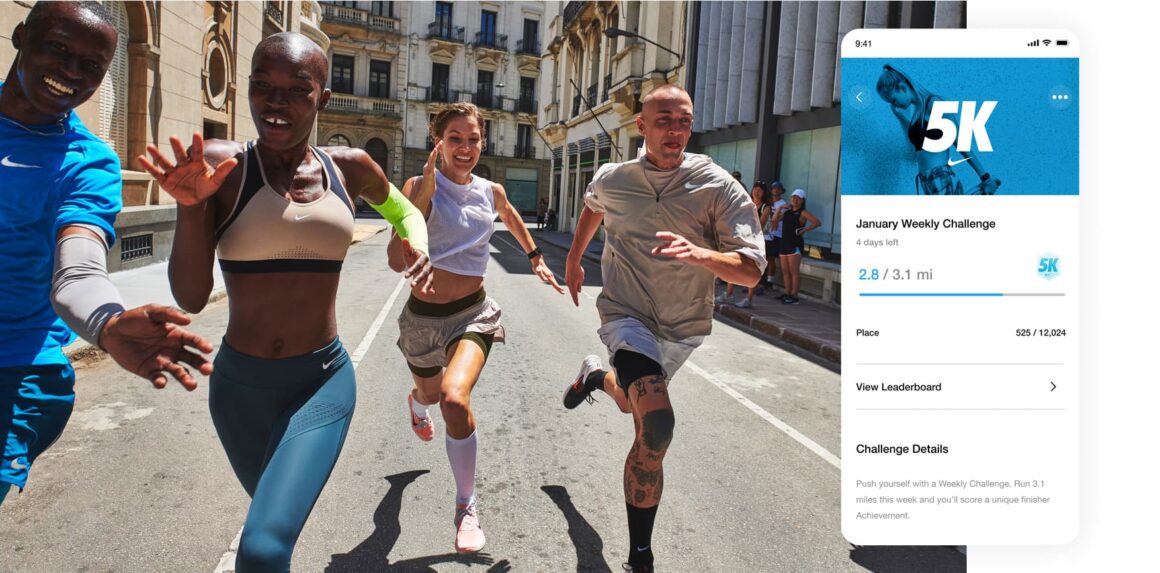
The rise of the modern running movement
Running may be one of the oldest forms of sport, but in recent years it has taken on an entirely new cultural life.
ADVERTISEMENT |
Run clubs have become a defining part of urban fitness culture, bringing together people who might once have gathered at bars or nightclubs. In cities around the world, weekly group runs now double as social events, networking opportunities, and community gatherings.
At the same time, marathon participation has surged globally. The six World Marathon Majors — London, New York, Boston, Chicago, Berlin, and Tokyo — have become bucket-list events for recreational runners and elite athletes alike.
For many participants, the appeal isn’t just competition — it’s the challenge, discipline, and personal transformation that come with preparing for a 42.2-kilometre race.
ADVERTISEMENT |

Technology reshaping endurance sport
As running culture has grown, technology has played an increasingly central role in the sport’s evolution.
Wearables like the Apple Watch have fundamentally changed how runners approach training, giving athletes access to real-time data about their pace, heart rate, recovery, and overall fitness. Metrics that were once reserved for professional athletes are now accessible to everyday runners, helping people better understand their performance and health.
For marathoners, that data can be transformative. Insights around pacing, training zones, and recovery can make the difference between simply finishing a race and achieving a personal best.
By partnering with the London Marathon, Apple is placing those tools directly at the centre of one of the sport’s biggest stages.
ADVERTISEMENT |

Why run clubs are replacing nightlife in major cities
Across global cities, something unexpected has been happening: early morning runs are beginning to replace late nights out.
Run clubs — once a niche part of athletic culture — have exploded in popularity over the past few years. In cities like London, New York, and Toronto, hundreds of runners now gather weekly for organized runs that combine fitness, community, and social connection.
For many participants, these meetups offer something nightlife often doesn’t: routine, accountability, and a shared sense of purpose. Instead of meeting over cocktails, groups now meet before sunrise for tempo runs, interval sessions, or relaxed social jogs followed by coffee.
Social media has helped accelerate the movement, turning local run clubs into cultural micro-communities where runners share training progress, race goals, and personal milestones.
Events like the London Marathon have become the ultimate milestone for many of these communities, giving runners a goal that brings months of collective training and support to a single finish line.
ADVERTISEMENT |
Apple Watch vs Garmin: the wearable race shaping modern running
As endurance sports have surged in popularity, another race has been unfolding alongside the athletes: the battle among wearable technology companies to become the runner’s device of choice.
For years, Garmin dominated the world of performance running, particularly among serious athletes who valued its detailed training metrics and long battery life. Devices like the Garmin Forerunner series became staples in marathon training plans around the world.
But the rise of the Apple Watch has dramatically expanded the wearable fitness market, bringing advanced health and performance tracking to a much broader audience. With features like heart rate monitoring, VO₂ max estimates, pace tracking, and integrated fitness apps, Apple has positioned its watch as both a lifestyle device and a powerful training companion.
ADVERTISEMENT |
Rather than competing solely for elite athletes, Apple’s approach focuses on accessibility — supporting beginners and seasoned runners alike with tools designed to build consistency and motivation.
By partnering with one of the world’s most iconic marathons, Apple is reinforcing that strategy. The London Marathon represents not only the pinnacle of endurance racing, but also a global community of runners at every level — from first-time participants chasing a personal milestone to seasoned athletes pursuing their next personal best.

A global stage for the future of fitness
Major marathons have long been global showcases for athletic performance, but they are increasingly becoming platforms for innovation in sports technology as well.
With millions of viewers watching and tens of thousands of runners participating, events like the London Marathon provide companies with a unique opportunity to demonstrate how technology can support athletes at every level.
ADVERTISEMENT |
For Apple, the partnership reinforces its broader vision of fitness technology — one that combines performance insights with a focus on long-term health and wellbeing.
As running continues to grow into one of the defining fitness movements of the decade, the collaboration between Apple and the London Marathon signals something larger than a single race partnership. It reflects a moment when endurance culture, community, and technology are converging — transforming how people around the world move, train, and challenge themselves.