

For decades, Van Cleef & Arpels existed in a world of high jewellery, romance, and poetic design—more often associated with gifting than daily wear, and more frequently spotted on women than men. But somewhere between the pandemic-era shift in spending habits and the rise of quiet luxury, the Maison found itself at the centre of an unexpected cultural moment.
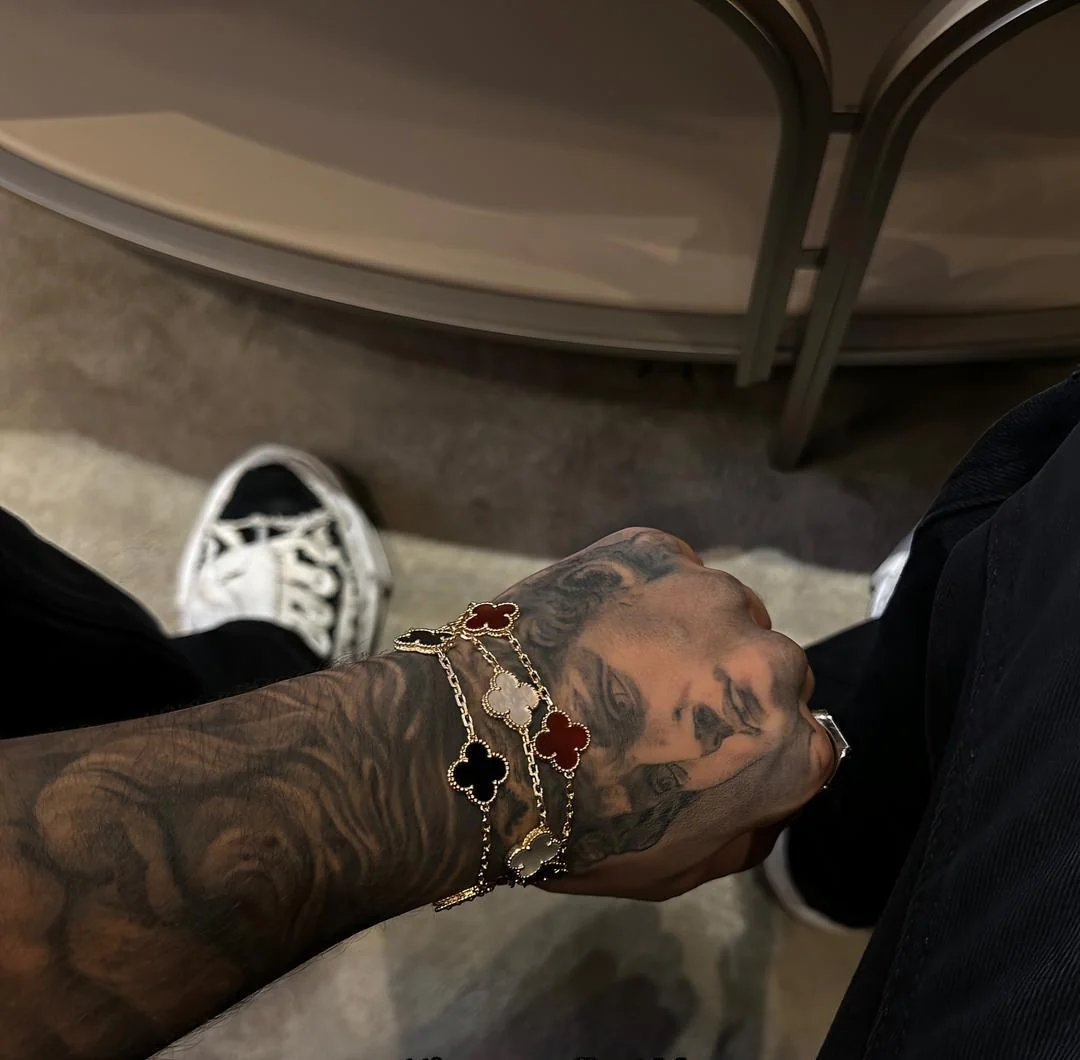
It started subtly. A bracelet here, a wrist shot there. Then suddenly, Van Cleef & Arpels’ iconic Alhambra pieces were everywhere—worn by men who weren’t necessarily trying to make a statement, but somehow were. Not loud, not logo-heavy, just instantly recognizable to those who know.
What looked like a trend has quickly revealed itself to be something bigger: a shift in how men approach luxury—and who they’re willing to buy it from.
ADVERTISEMENT |
Now, Van Cleef & Arpels is building on that momentum with a new release that feels less like a pivot—and more like a natural evolution.
The rise of Van Cleef & Arpels among men didn’t come through traditional watch channels. There were no hype drops, no waitlist theatrics, no speculative resale narratives driving demand.
Instead, it came through jewelry.
The Alhambra bracelet became a kind of cultural shorthand: a refined, low-key flex that signaled taste without trying too hard. It aligned perfectly with a broader shift in men’s style—away from overt branding and toward pieces that feel considered, timeless, and quietly luxurious.
And once that door opened, it didn’t close.
Men who were once watch-first started exploring jewelry. And now, increasingly, they’re looking for timepieces that match that same sensibility—pieces that feel just as intentional on the wrist.
ADVERTISEMENT |
Enter the Midnight Jour Nuit Phase de Lune
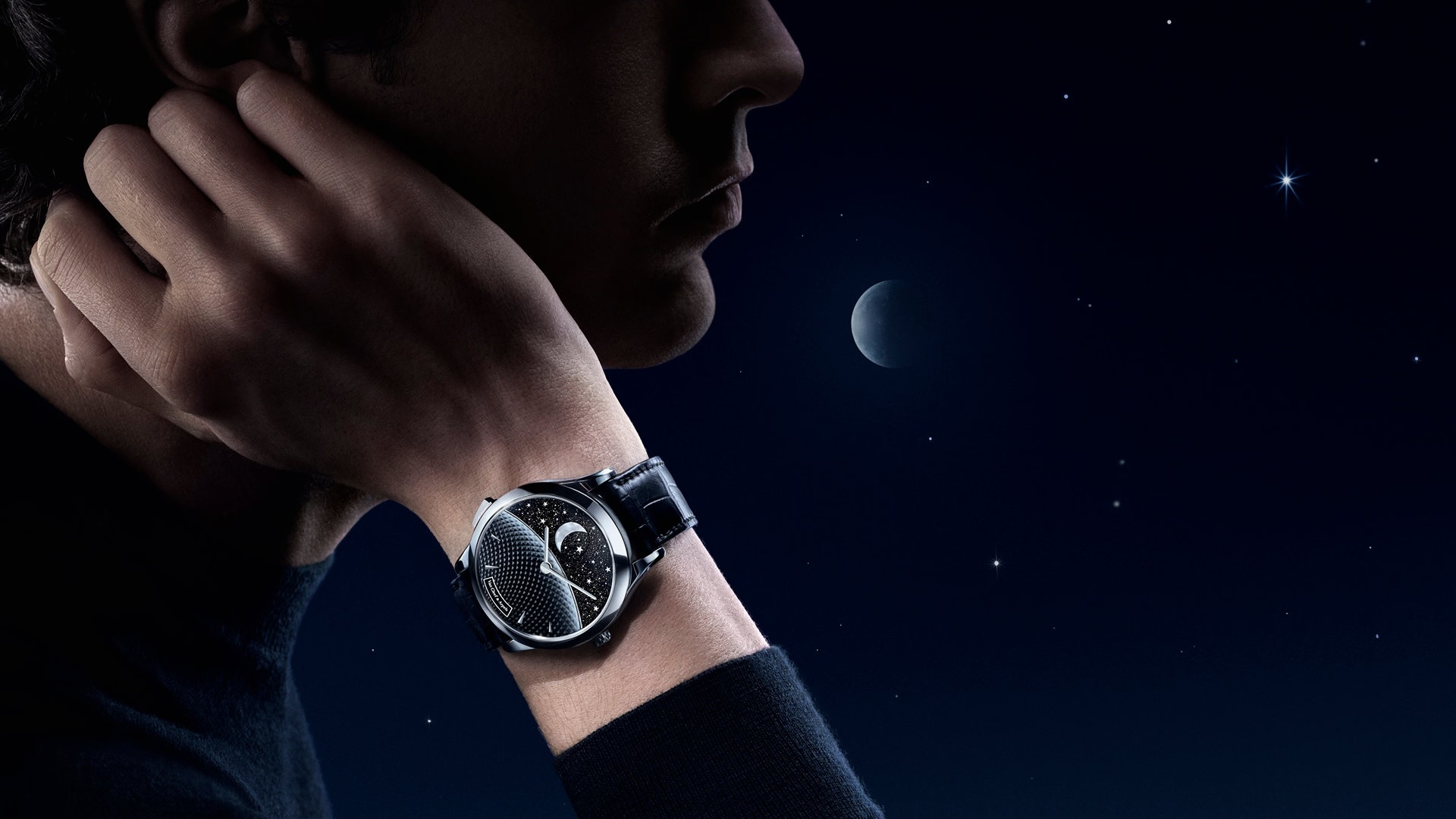
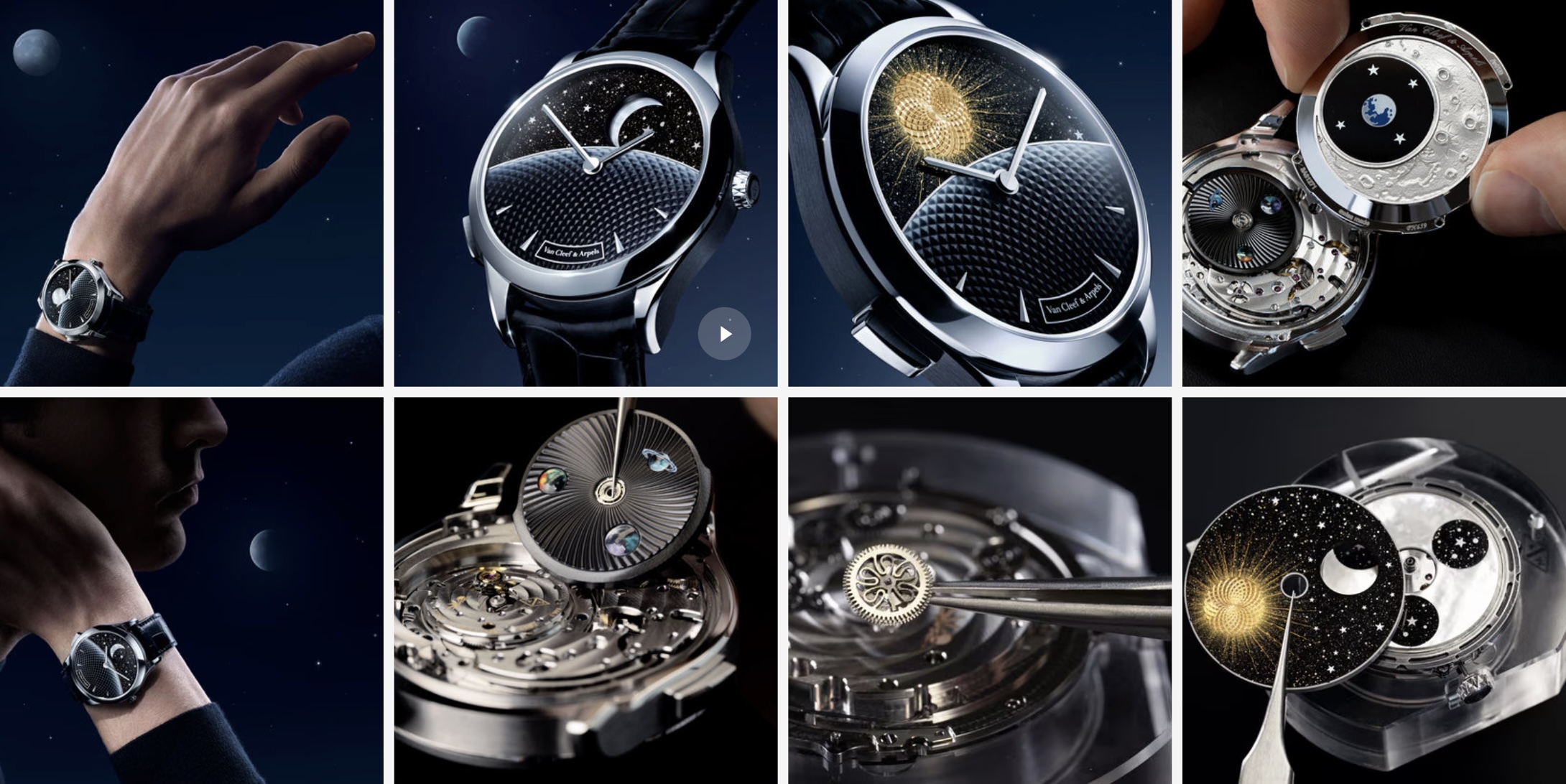
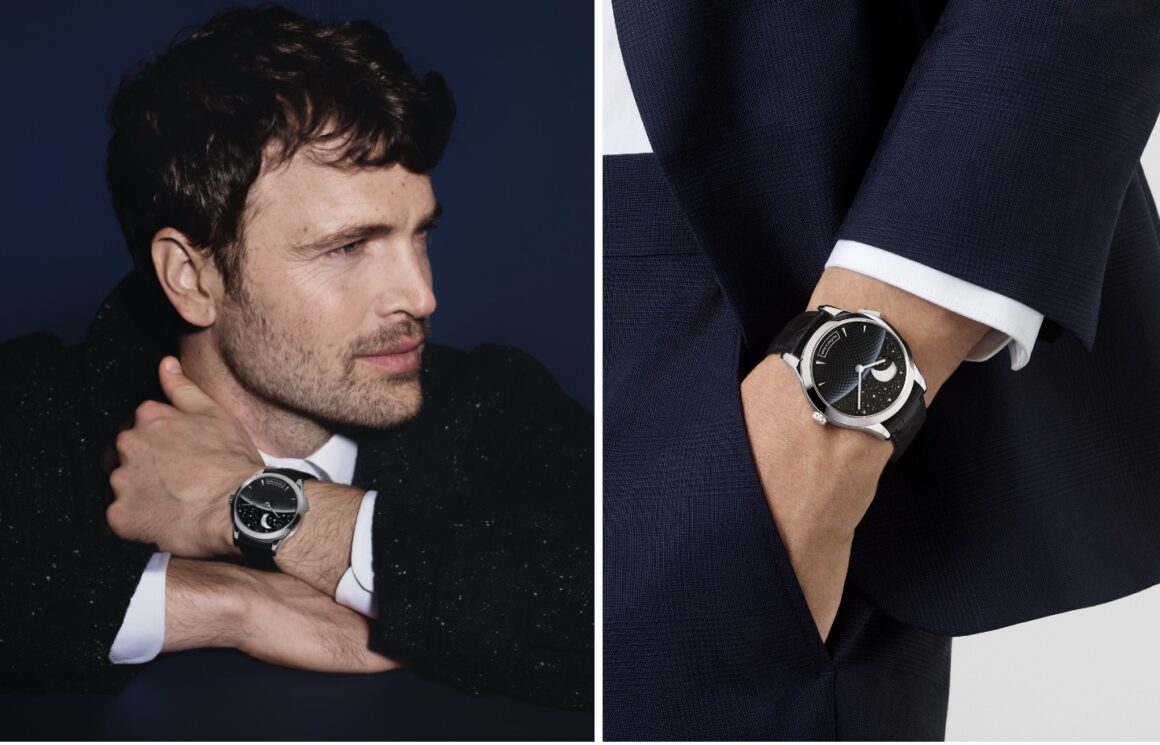
Van Cleef & Arpels’ latest release, the Midnight Jour Nuit Phase de Lune, feels like a direct response to that shift—whether intentional or not.
Housed in a 42mm white gold case, the watch leans into a more traditionally masculine size, but everything else about it resists convention. Instead of focusing on sport, speed, or technical dominance, it centres on something far less common in men’s watchmaking: emotion.
At its core, the piece combines two complications—a day/night display and a true moon phase—working together to track both the 24-hour cycle and the Moon’s actual 29.5-day rotation.
But the real appeal isn’t in the mechanics alone—it’s in how the watch expresses them.
The dial, crafted from Murano aventurine glass, mimics a star-filled night sky, with a subtle shimmer that shifts in the light. Over the course of the day, a golden sun gradually gives way to a mother-of-pearl moon, disappearing and re-emerging behind a softly graded horizon.
And then there’s the detail that sets it apart: at the push of a button, the entire dial animates—rotating for roughly 10 seconds to reveal the moon’s current phase on demand.
It’s not just a complication. It’s a moment—one that invites you to slow down and actually engage with time.
ADVERTISEMENT |
This isn’t happening in isolation
What makes this release land even stronger is that it’s not happening in a vacuum. Across Watches & Wonders 2026, some of the industry’s biggest names are quietly moving in the same direction—just in their own way.
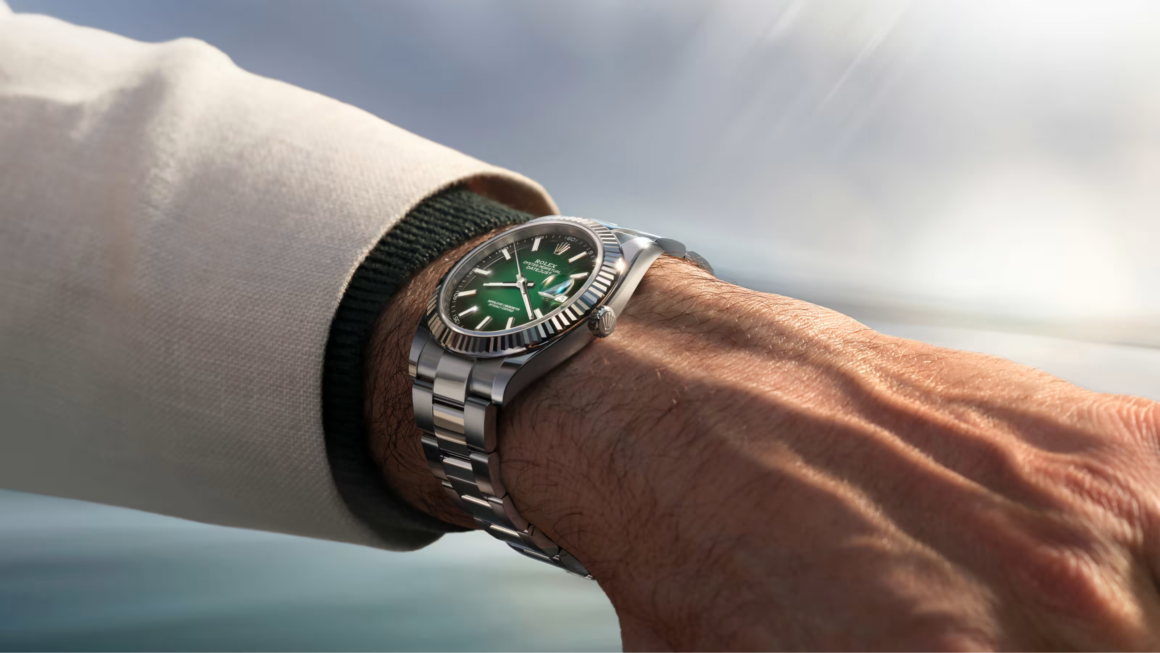
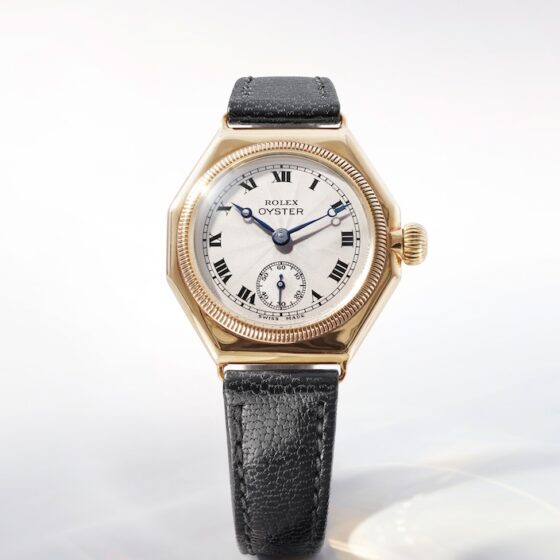
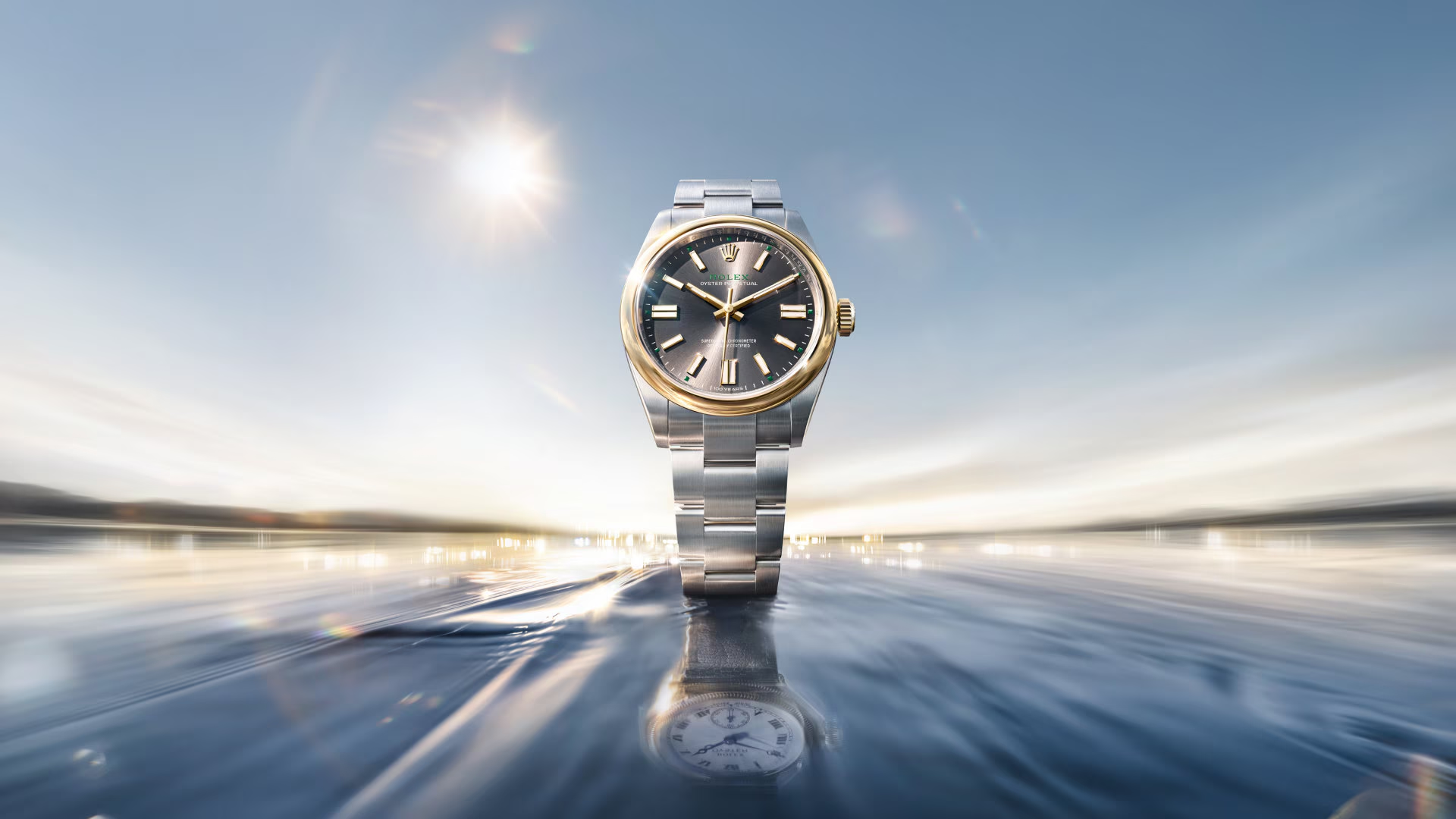
Rolex, long considered the benchmark for traditional men’s watches, leaned into restraint this year—refining the Oyster Perpetual and Datejust with cleaner dials, softer colour palettes, and classic proportions. It’s still Rolex, but with a noticeably quieter tone.
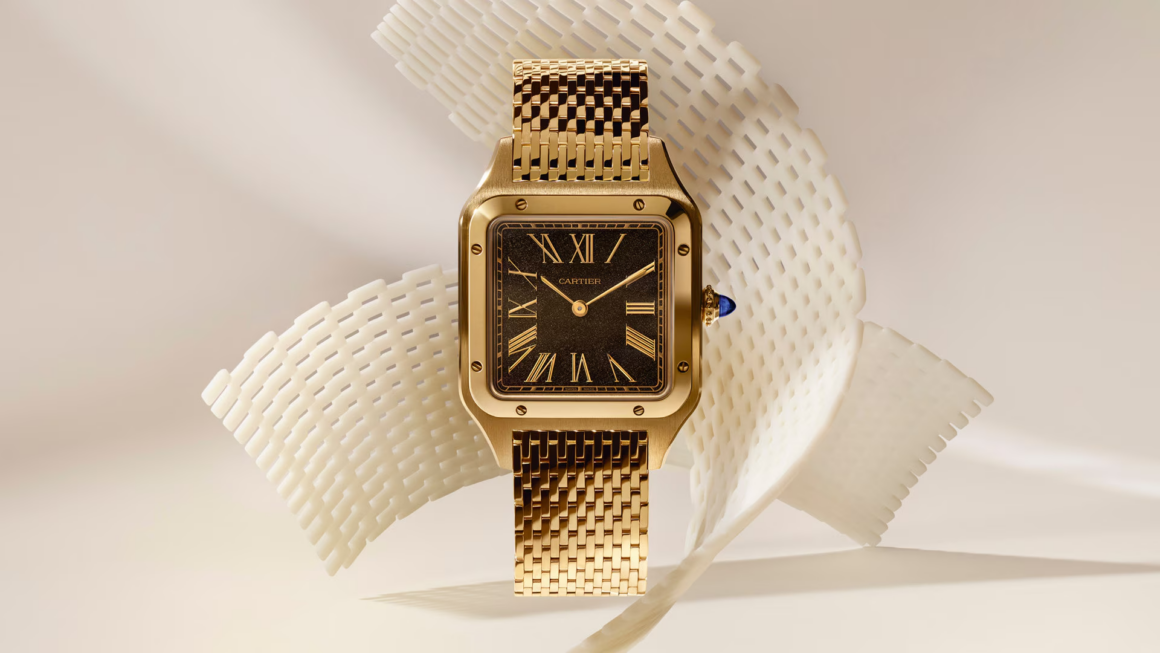
Cartier, arguably the blueprint for gender-neutral luxury, continues to prove that watches rooted in design and elegance—not sport—can resonate across both men’s and women’s wardrobes without compromise.
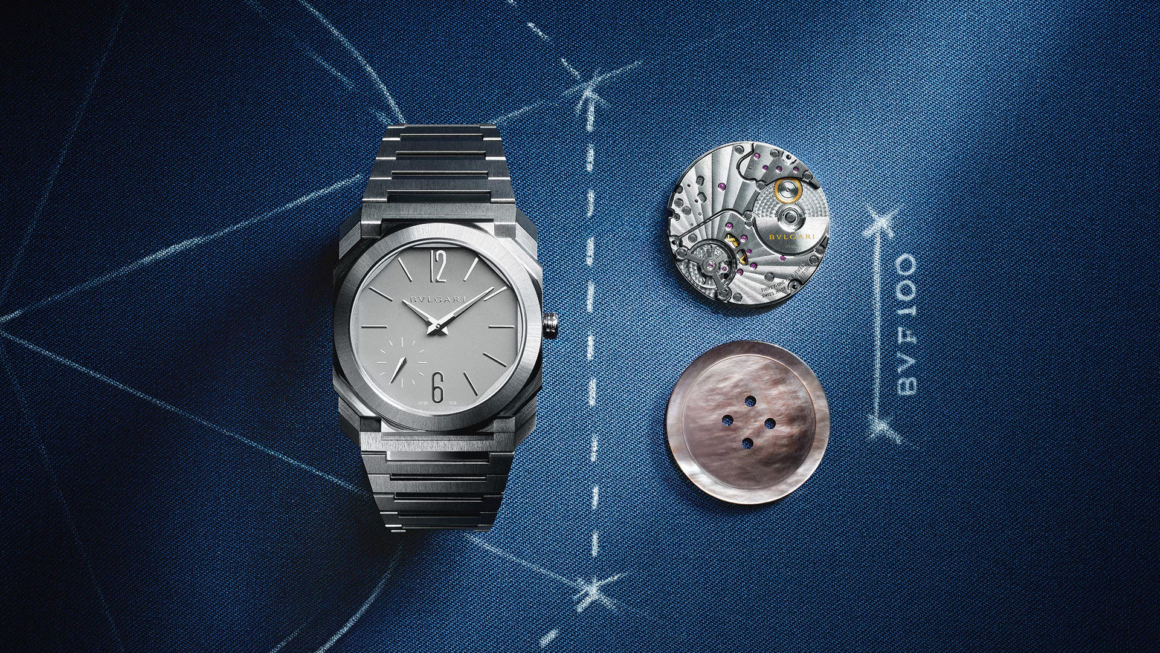
Bvlgari made one of the most telling moves of all: shrinking its iconic Octo Finissimo down to 37mm. A subtle shift on paper, but a major signal that the industry is thinking beyond the traditionally oversized men’s watch.
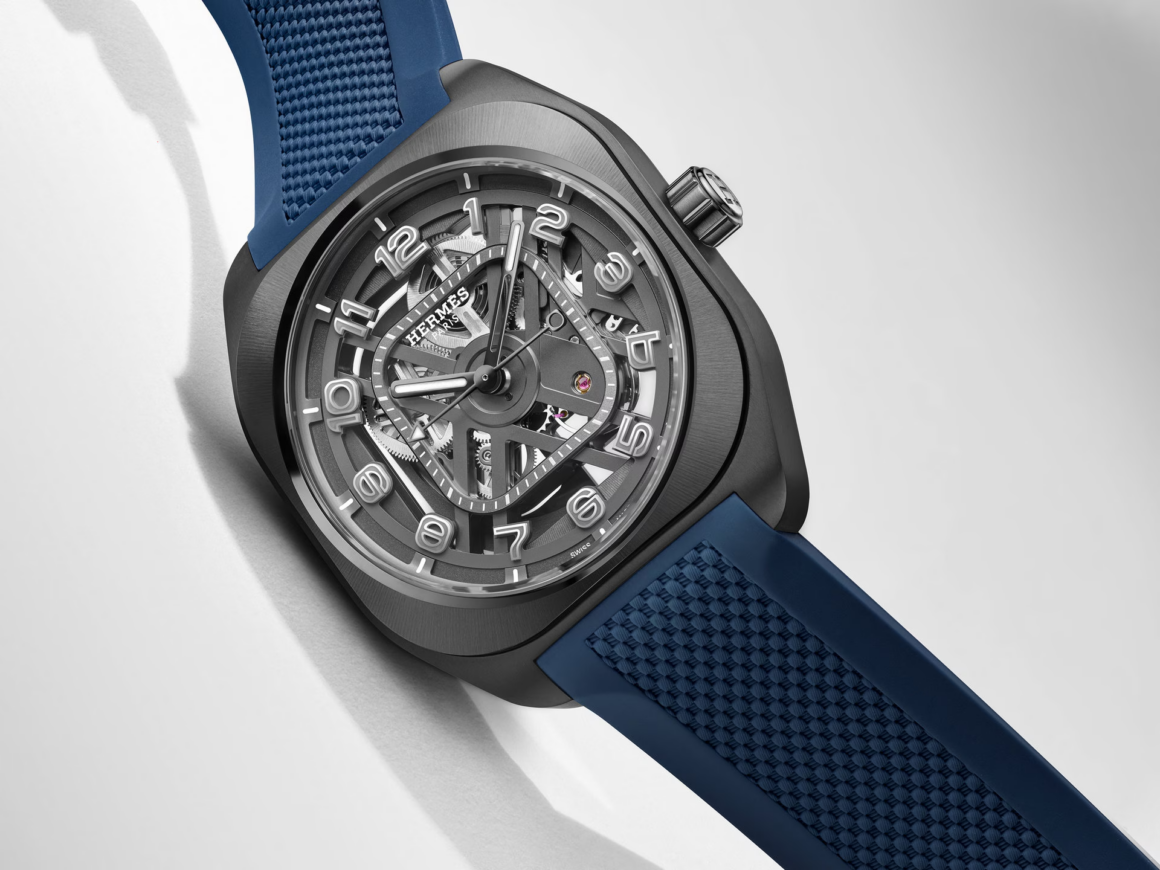
Hermès continues to approach watchmaking through a fashion lens, prioritizing lightness, versatility, and design over technical bravado.
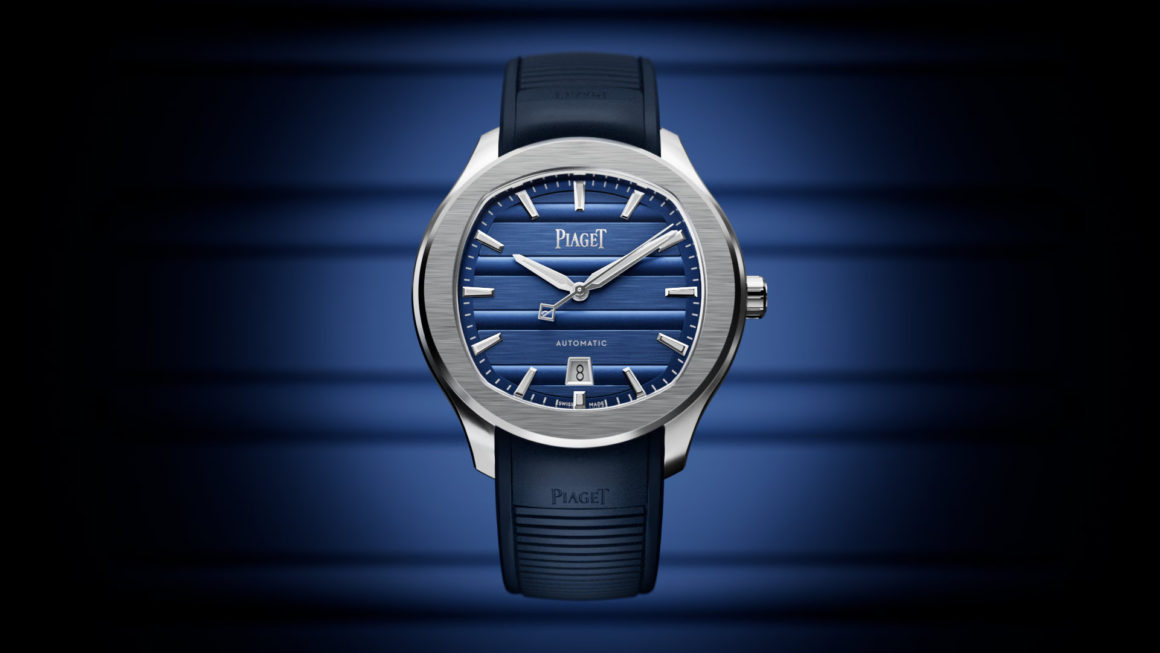
Even brands like Piaget and Chanel are pushing deeper into watch-as-jewelry territory—blurring the line between accessory and timepiece altogether.
The message is clear: the future of men’s watches isn’t louder. It’s more refined, more expressive, and far less rigid.
Why this works right now
This kind of watch—and this kind of design shift—wouldn’t have landed the same way a decade ago. But today, it aligns perfectly with how men are redefining style and luxury.
ADVERTISEMENT |
Minimalism over excess
Clean dials, balanced proportions, and thoughtful materials are winning out over oversized, attention-grabbing designs.
Meaning over mechanics
Complications are no longer just about function—they’re about storytelling. A moonphase doesn’t just track time; it connects you to something beyond it.
The rise of the quiet flex
Wearing Van Cleef & Arpels—especially in watch form—signals a level of taste that goes beyond the usual suspects. It’s not about recognition from everyone, just the right people.
A more fluid approach to style
Men are no longer confined to categories. Jewelry, watches, fashion—it’s all part of the same conversation now.
A brand that didn’t change—just expanded
What makes Van Cleef & Arpels’ position particularly interesting is that it hasn’t dramatically shifted its identity to appeal to men.
The Maison is still rooted in its signature codes: poetry, astronomy, craftsmanship, and storytelling—an approach that dates back to its early explorations of moonphase watchmaking as far back as 1929.
Instead of becoming more “masculine,” the brand stayed exactly what it is—and men came to it.
ADVERTISEMENT |
That’s not a rebrand. That’s a cultural shift.
The bigger picture
Zoom out, and this isn’t just about one watch—or even one brand.
It’s about a broader recalibration of taste.
Men are moving away from status-driven purchases and toward pieces that feel intentional. Less about being seen, more about how something resonates. Less about hype, more about longevity.
In that context, the Midnight Jour Nuit Phase de Lune doesn’t compete with the usual heavyweights—it exists in a different lane entirely.
Because in a market driven by speed, scarcity, and noise, there’s something undeniably compelling about a watch that asks you to slow down, look up, and experience time differently.
ADVERTISEMENT |
And right now, that might be the ultimate flex.