

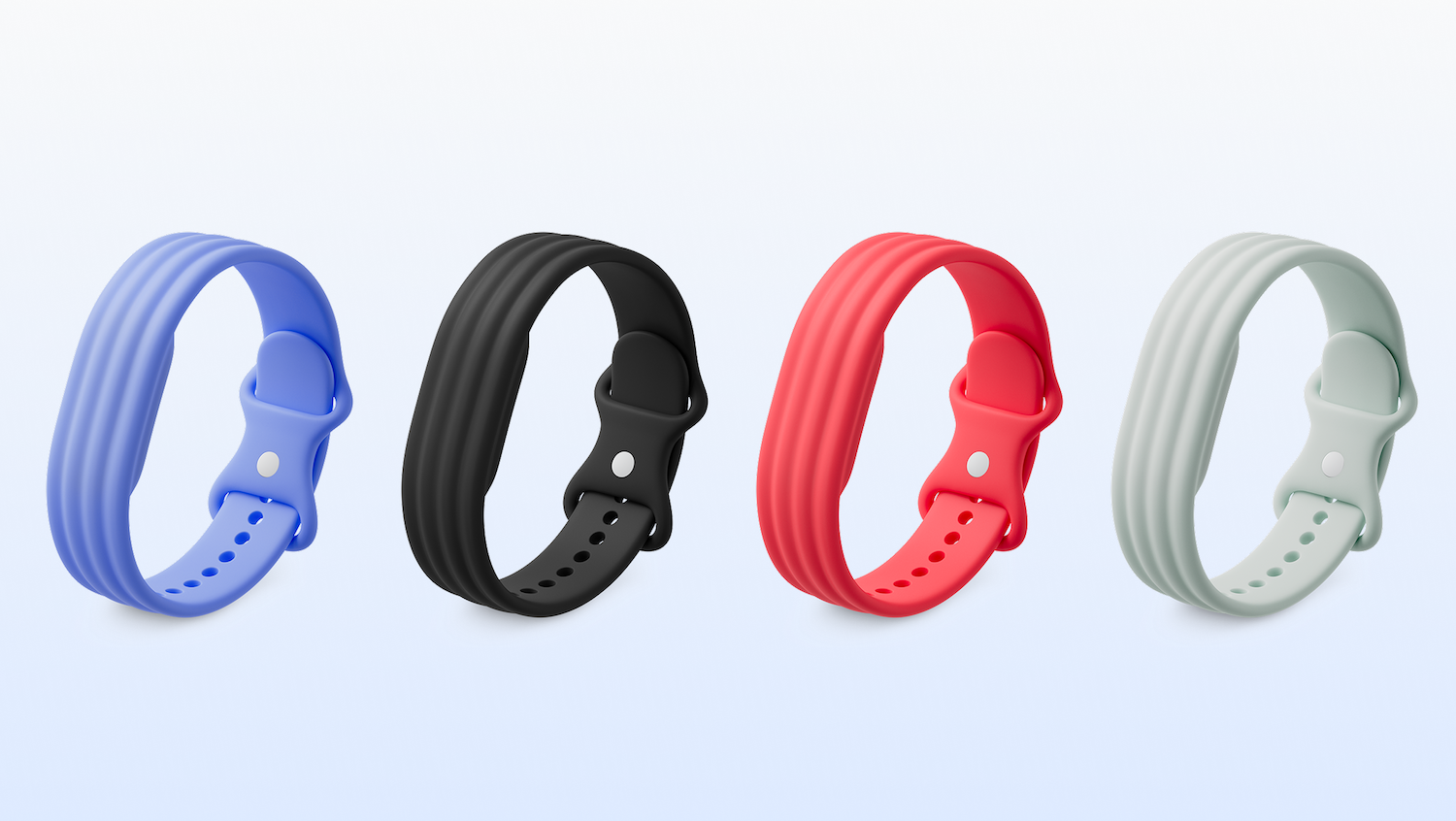
Wearables have spent years trying to do more—bigger screens, more notifications, more noise. Just ask every marathon runner, hybrid athlete or the everyday fitness enthusiast. Call it…use fatigue. The Google Fitbit Air takes the opposite approach. It does less on the surface, and far more where it actually matters: your health. This is a fitness tracker built not for attention, but for consistency.
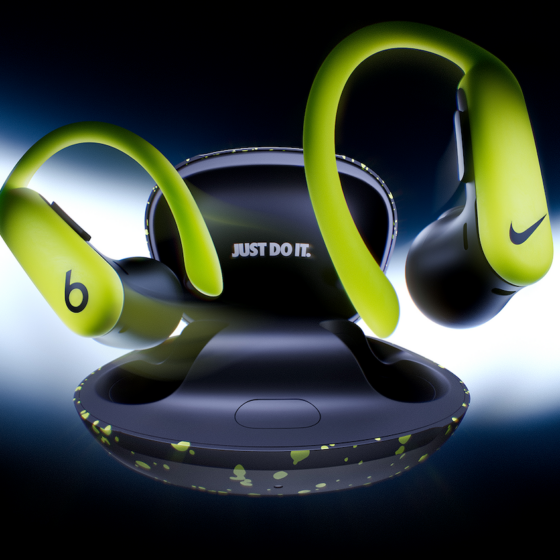
See also: Beats x Nike Powerbeats Pro 2: The collab we didn’t know we needed (but absolutely do)
A wellness coach that actually adapts
The standout feature isn’t hardware—it’s intelligence. Fitbit Air is designed around Google Health Coach, powered by Gemini, which delivers personalized fitness and wellness guidance based on your real-time data.
ADVERTISEMENT |

In practice, that means your workouts, recovery, and even rest days are dynamically adjusted based on how your body is performing. If your sleep dips, your plan adapts. If your activity spikes, it recalibrates. It removes the guesswork that often leads people to overtrain or burn out. It’s less “track everything” and more “understand what to do next.”
Minimalist design, maximum wearability
One of the most immediate differences is what’s missing: a screen. Fitbit Air is intentionally screenless, encouraging you to stay present while your data quietly tracks in the background. Because the point isn’t more flashy visual metrics. It’s quiet data collection that’s easy to digest in order to keep you on top of what matters to you.

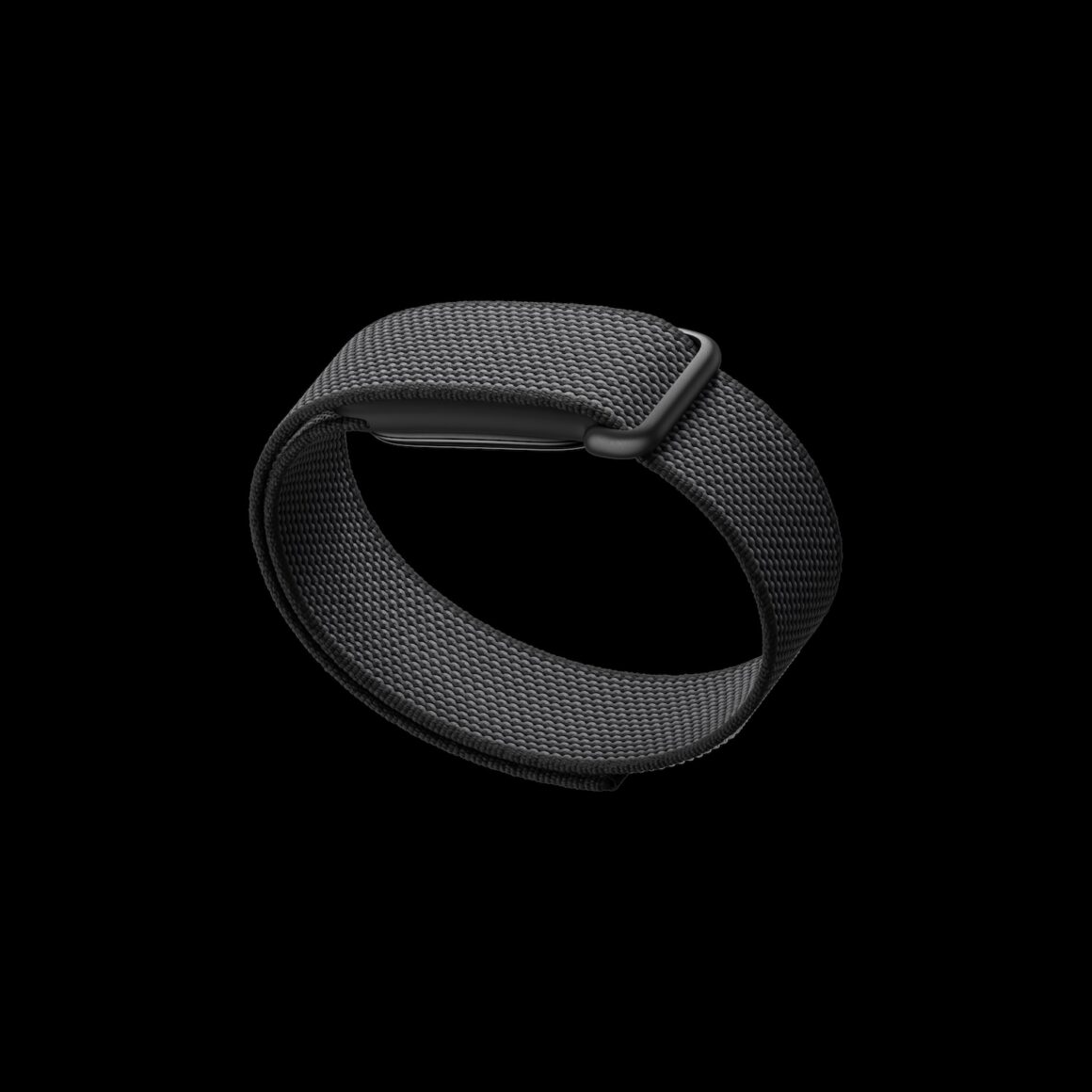
At just 12 grams with the band and a slim 8.3 mm profile, it’s barely noticeable on the wrist. That matters more than it sounds—because the best fitness tracker is the one you actually wear all day, every day. The micro-adjustable fit and soft materials make it comfortable enough for workouts, workdays, and sleep without interruption. And that consistency is where the data becomes meaningful.
ADVERTISEMENT |
Serious health tracking in a small package
Despite its minimal footprint, the Fitbit Air packs in a full suite of health metrics. It offers 24/7 heart rate tracking, heart rate variability insights, and even irregular rhythm notifications that can flag potential AFib indicators. On the fitness side, it tracks steps, distance, cardio load, and readiness, helping users understand when to push and when to recover.
Sleep tracking is particularly strong. It analyzes sleep stages, breathing patterns, and overall quality, delivering a refined Sleep Score powered by improved machine learning models. Smart Wake alarms then nudge you awake at the optimal point in your sleep cycle, which, in real-world use, can make a noticeable difference in how you feel starting your day.
Built for real life, not just workouts
Where Fitbit Air excels is in everyday use. Automatic activity detection means you don’t have to manually start workouts, and the device quietly logs movement while you focus on the activity itself.
ADVERTISEMENT |

Battery life supports that frictionless experience, delivering up to seven days on a single charge, with a quick-charge feature that gives you a full day’s use in just five minutes. That eliminates one of the biggest pain points in wearables—constant charging. It’s also water resistant up to 50 metres, meaning it can handle showers, swims, and sweat-heavy workouts without issue.
The bigger picture
Fitbit Air isn’t trying to replace your phone or compete with a smartwatch. It’s trying to quietly improve your habits. By combining adaptive coaching, deep health insights, and a barely-there design, it becomes less of a gadget and more of a daily companion. For anyone focused on long-term wellness—better sleep, smarter training, more awareness—this is where the Fitbit Air shines.
Because in the end, health isn’t built in big moments.
ADVERTISEMENT |
It’s built in the small ones you repeat every day. Overall, Gent’s Approved.
Editor's Note: As part of this review, a Google Fitbit Air was gifted for testing.